Aristocratic families
30-10-2017 | Style & Culture
Written by: Giancarlo Roversi
Aristocratic families in front of the cathedral
Directly opposite the block that would first become the Archbishop's Seminary and then the Hotel Baglioni, the cathedral was built, the main center of Catholic devotion and liturgy, the seat of the bishop and canons, and the church where all the city's Christians were baptized. The baptistery, dedicated to St. John the Baptist, in fact, occupied a stretch of road directly in front of the cathedral's façade, as in many cities, where this structure, indispensable to Christian life, still exists: in Parma, Florence, and Pistoia. The cathedral, moreover, was a small church, which in 1141 was destroyed by fire and immediately rebuilt in new Romanesque forms.
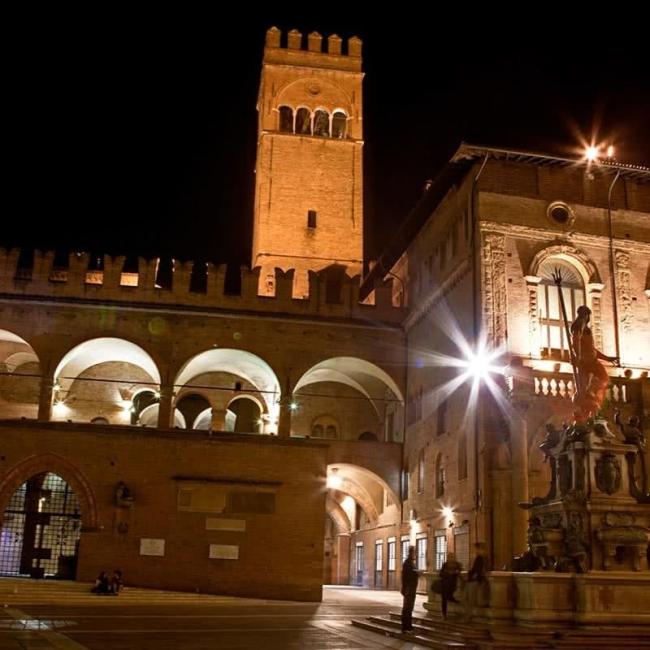
Around the cathedral were the homes of some of the families closest to the Chapter, to the bishops who succeeded one another on the Bolognese chair, but also families who do not appear close to the civil power exercised by the ecclesiastical hierarchy. We know, in fact, that both the parishes of San Pietro and Sant'Andrea dei Piatesi, next to and in front of the cathedral respectively, were home to the Ariosti, Piatesi, and Carbonesi families, at least in the 12th century if not earlier. The former often occupied positions in the Chapter and shared the power that the structure of the Bolognese Church held, and also provided the city with a bishop. As the Middle Ages progressed, in fact, we saw important city families, often of Comitato origin, but also of frank urban birth, influence the choices of the ecclesiastical hierarchy with their social and economic power.
On the other hand, it must be considered that bishops had not only a spiritual task, but that in the first Christian centuries, after the decline and inactivity of state magistrates, they also assumed secular tasks, guiding the population, encouraging the construction, maintenance, and management of public structures, such as walls, and organizing political representation.
We do not know the precise political location of other families who took up residence in the block, but thanks to the tax surveys, issued at the end of the 13th century by the Municipality of Bologna, we know that the Perticoni and Gabriozzi (consorts of the da Castello family), the Galluzzi, the Bazaleri, the Azzoguidi and the Oseletti families were settled towards Via Indipendenza. In the westernmost part, towards the imperial fortress, the da Castello and the Malavolti families had their houses, derived from the Ubaldini, nobles of the mountain towards the borders with Fiorentino.
At their origins, the da Castello family was not noble, but rather linked to the University: they had a famous jurist, Alberto, who in the mid-12th century called his colleague Piacentino to teach in Bologna. They probably took their name from having taken up residence in the area of the imperial castle, at the top of the embankment on Via Porta di Castello. The Gabriozzi and Perticoni families were linked to them by kinship and by pacts of loyalty and mutual aid, but they soon disappeared, not reaching the end of the Middle Ages, unlike the da Castello family, who indeed prospered and occupied pre-eminent places in the city aristocracy, among other things in the Senate, transforming their name into Castelli. In truth, in the first municipal period it was rather the Perticoni who devoted themselves to political activity: we know of a Guido Perticoni consul of the municipality in 1174 and 1175 and a Rolando di Arduino in 1178.
A branch of the Galluzzi family was based on this block, but everyone knows that their houses with towers were located in Corte Galluzzi, that is, always within the oldest city, enclosed by selenite walls, near the southeastern corner.
The Galluzzis also participated in the institutions of the consular aristocratic commune, with a Rolando by Pietro de Henrico who was consul in 1174.
The Azzoguidi also owned a tall tower, the one also called Altabella, a true tower built to defend the consortium: it had a square plan and was certainly taller than today, even though it measures a considerable height of 61 metres.
It is also the only Bolognese tower that is almost perfectly straight and from this particular solidity it took its name.
The Azzoguidi appear to have always been Guelph and ardent partisans of the Pepoli, and as such participated in municipal political life between the 13th and 14th centuries. But let us not forget, with the factional struggles now over, that Baldassarre Azzoguidi was the first Bolognese printer in the second half of the fifteenth century. With their houses that seemed to clamp the bishop's palace, between Via Altabella and St. Peter's Square, they surrounded the cathedral.
An Oseletti tower can still be seen on Strada Maggiore overlooking the nearby Palazzo Sanguinetti, but this family had another tower on Via Altabella, which no longer exists today but whose base was discovered in large plaster parallelepipeds in 1817. Geremei, that is, Guelphs, appear to have been heated since an Auxilittus was consul in 1156, again with his descendant Uguzzo Oseletti who held this office in 1186 and also in the 13th century, when some members of the family were also banished as lambertazzo.
But the family was already dying out and disappeared from the city's social landscape in the 14th century. The Carbonesi polarized their presence in the city into two specific areas, the one where they also had the family chapel, near Porta Procola, on the corner between Via D'Azeglio and Via Carbonesi, and the one in front of the cathedral, where they owned a tower that was still clearly visible when Filippo de’ Gnudi drew up his scenographic plan of the city in 1702.
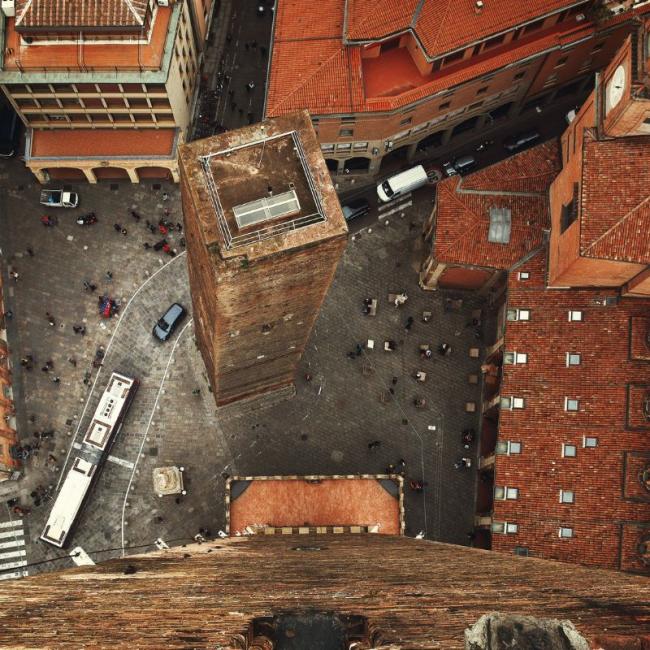
The remains of the tower resurfaced in 1872 by lowering the Seminary portico, showing that the tower was 6.46 meters wide on each side and had a wall thickness of about 2 meters. That is, this too was to be a tower more for defense than for habitation, useful to the consortium when some enemy attack forced defense or when a sortie against the enemies themselves was planned from the safe refuge of its walls. This family also appears early in the consular organization of the municipality, with Ospinello Carbonesi, who was among those who led the municipality as consul, both in 1173 and 1185, imitated by Maso in 1186 and by Dotto di Timone in 1188.
Only in 1156 was Ugo di Ildebrando da Riosto consul: this family owned the other tower that characterized this block, directly opposite the cathedral; and in truth, the da Riostos, or Ariostos, or Ariostis, also had houses next to the main church in Bologna and were among those families who participated most in the institutional life of the Bolognese Church. Gerardo Ariosti was in fact bishop of Bologna between 1198 and 1213, after having been part of the Chapter. But other Ariosti devoted themselves to trade and credit, holding elected positions within the trade guilds, such as Alberghetto, consul of merchants and judge in 1212 and 1214, or political positions in the municipality, such as Rainerio, consul of justice in 1220 and belonging to the curia and council in 1219. Their tower, however, which stood approximately at the fourth arch of the elegant portico of the Seminary, had a rectangular base, measuring 5.95 by 6.77 meters, but above all it had walls at the base only 1.32-1.38 meters thick: it can therefore be considered that it had not only a defensive function but also a residential one, connected to nearby houses, and was belonging only to the family and not to a large consortium.
The Malavolti are interesting, on the contrary, because they never had relations with the Municipality of Bologna, they never participated in the city's elected magistrates, they did not want - we would say today – to integrate into the municipal political form. Deriving from an ancient noble and feudal family of the county between Bologna and Florence, the Ubaldini, together with the lords of Loiano, probably maintained greater ties with the aristocracy of the territory, with their landed possessions in the mountains, with the seigneurial and Ghibelline political form.
There were also two churches linked to the memory of the imperial castle and not far from the da Castello homes, both on Via Porta di Castello and at the top of the hill: San Luca, still present in the Vatican Plan, and Santa Maria di Castello, in the Malavolti homes, but soon disappeared from the urban landscape.
Overlooking the walls
When Roman civilization, exhausted by the passage of time, gave in to the innovations that were advancing and transforming it-that is, when Italy's borders were not enough to contain the invasions and occupations of barbarian peoples and they began to become part of the human and social landscape of the peninsula-the cities sought to defend, on small islands surrounded by walls, what had been built over centuries of civilization.
Other stories
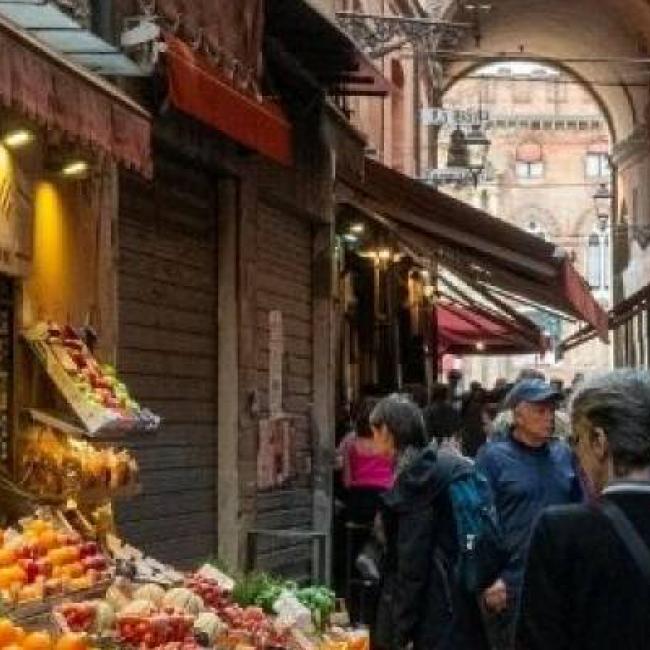
The Quadrilatero is not merely a district: it is a medieval stage where the most authentic and theatrical Italy comes to life.
DISCOVER MORE
Bologna is mainly known for its medieval soul but also has an important Renaissance past, with works of great masters in churches…
DISCOVER MORE
Immerse yourself in the culinary tradition of Bologna with a unique and engaging experience: our cooking classes dedicated to hand…
DISCOVER MORE
Here’s an idea for celebrating the Grand Hotel Majestic “già Baglioni”’s first 110 years with us: not only can you enjoy a taste,…
DISCOVER MORE
If we were to imagine the Italian Futurist movement as a train – after all, as an heir to Symbolism it was madly in love with spee…
DISCOVER MORE
At Ristorante I Carracci, every detail is designed to offer an exclusive gastronomic experience. Among the excellences that make o…
DISCOVER MORE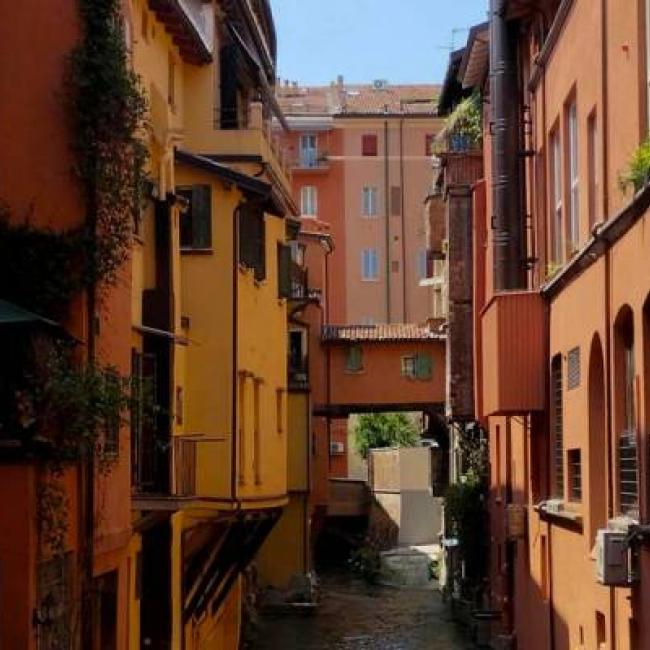
Bologna has a past rich in canals and waterways, many of which today remain hidden from view and emerge in unexpected views and su…
DISCOVER MORE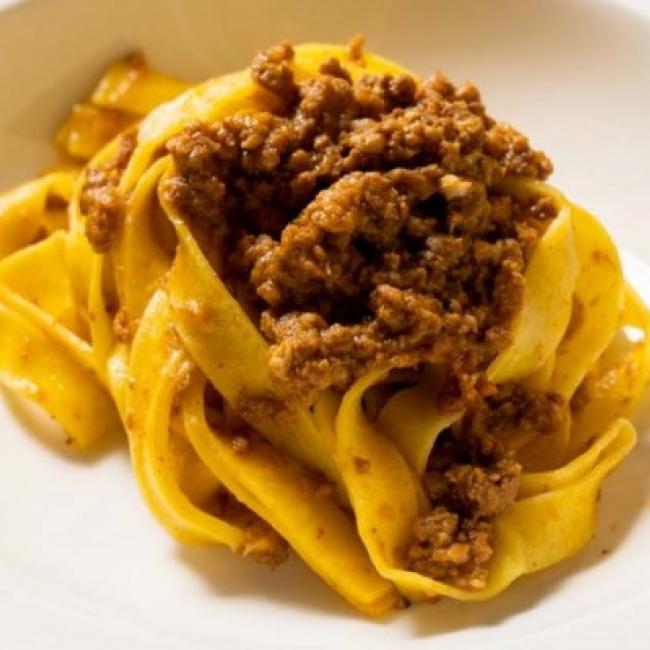
Picture yourself immersed in a world of rich flavors, where each bite takes you on a journey through the culinary heritage of Emil…
DISCOVER MORE
Over fifty museums house an extraordinary heritage and a wide range of offerings, characterized both by the quality of the exhibit…
DISCOVER MORE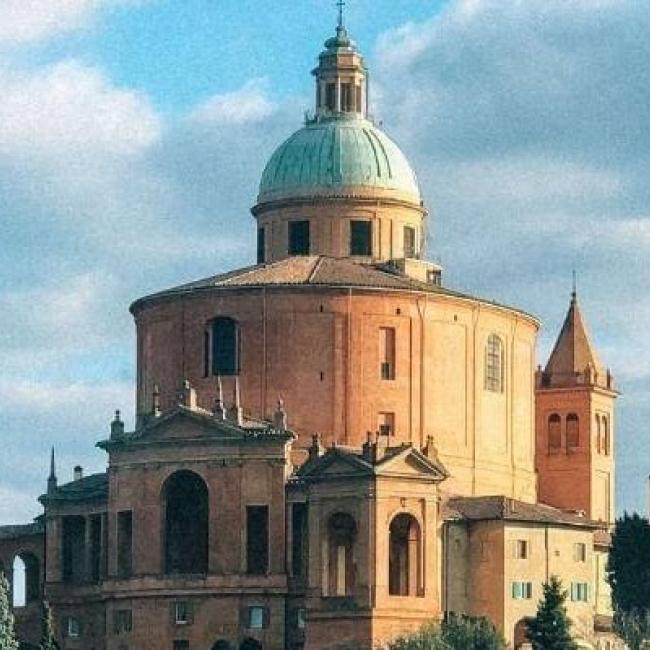
Linked to thousands of different worlds, Bologna embraces and fascinates its visitors. The city and its hills offer endless possib…
DISCOVER MORE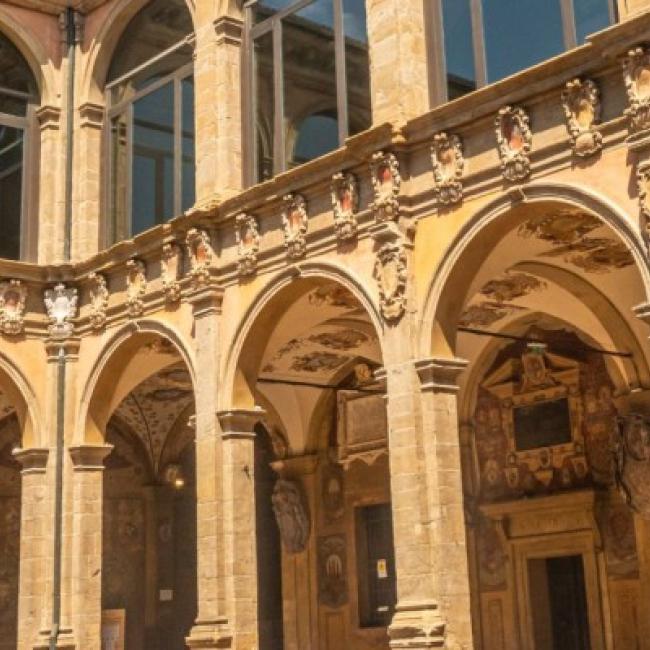
The Archiginnasio Palace is one of the most significant buildings in Bologna. Located in the heart of its historic centre, it has…
DISCOVER MORE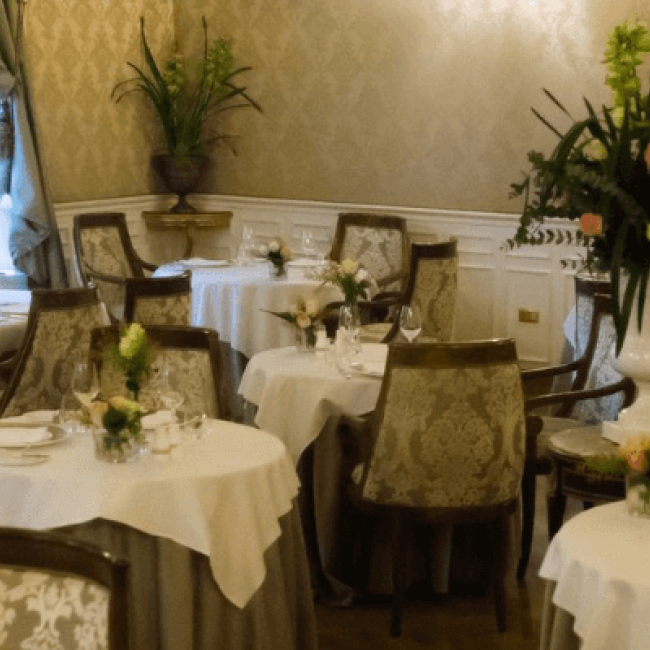
Today we cross the threshold of the Grand Hotel Majestic “già Baglioni” in the company of the manager Tiberio Biondi, who explains…
DISCOVER MORE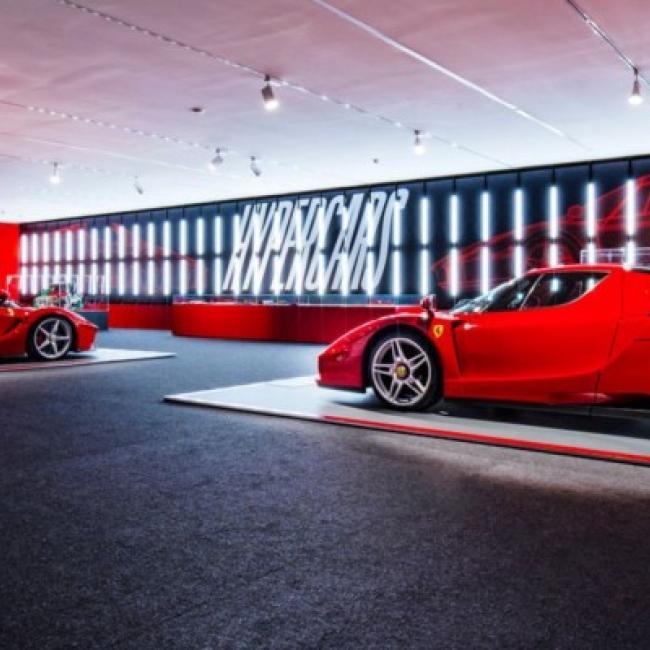
The Motor Valley is the territory, which includes the areas of Bologna, Imola and Modena, where some of the most important car and…
DISCOVER MORE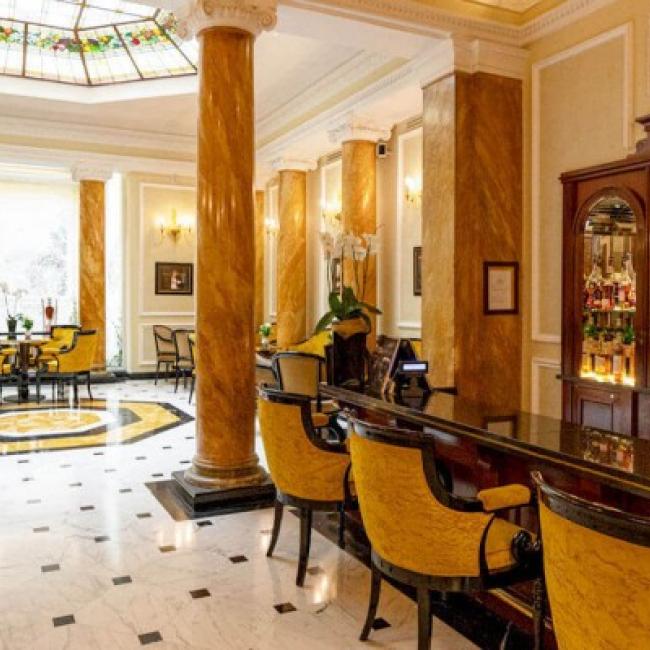
“Christmas is coming, the holiday that more than any other celebrates the pleasure of being together. This is why I wish to thank…
DISCOVER MORE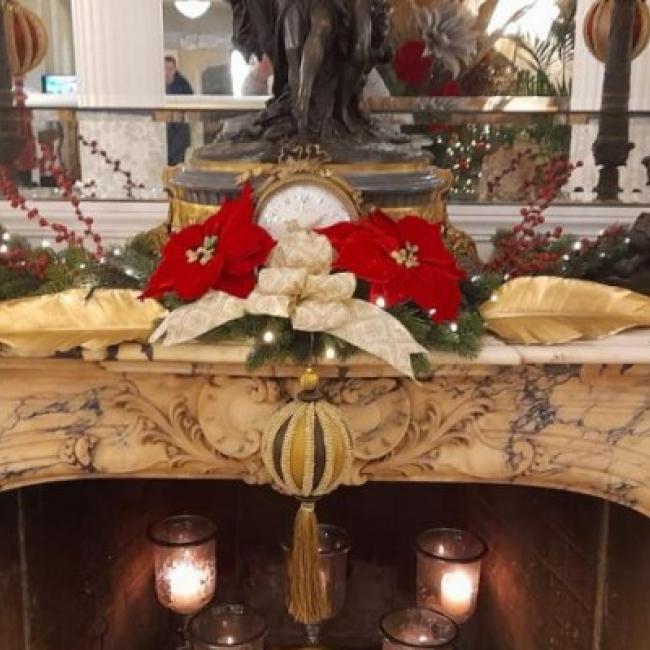
Christmas is on the way and this year it is going to be a special one, a holiday to share with loved ones and friends. Here Elena…
DISCOVER MORE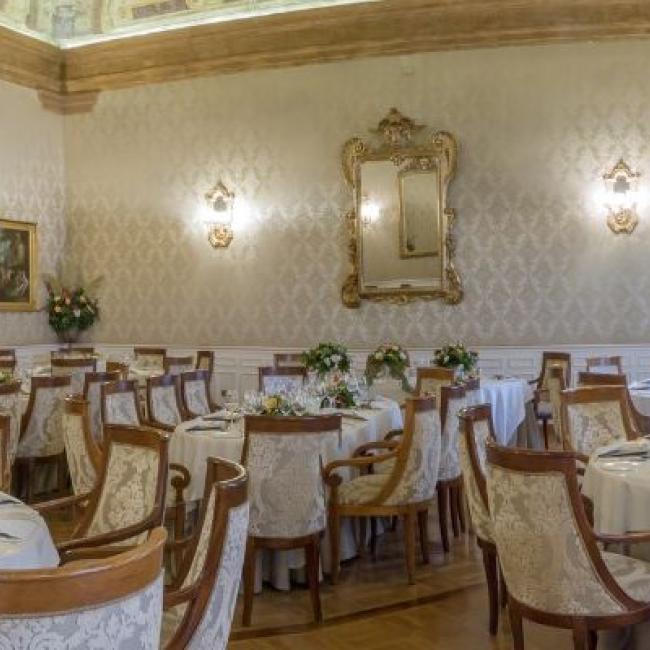
Giordano De Lellis has worked in hospitality for 12 years, while Aurora Gjinaj arrived a few months ago. Two voices that tell us w…
DISCOVER MORE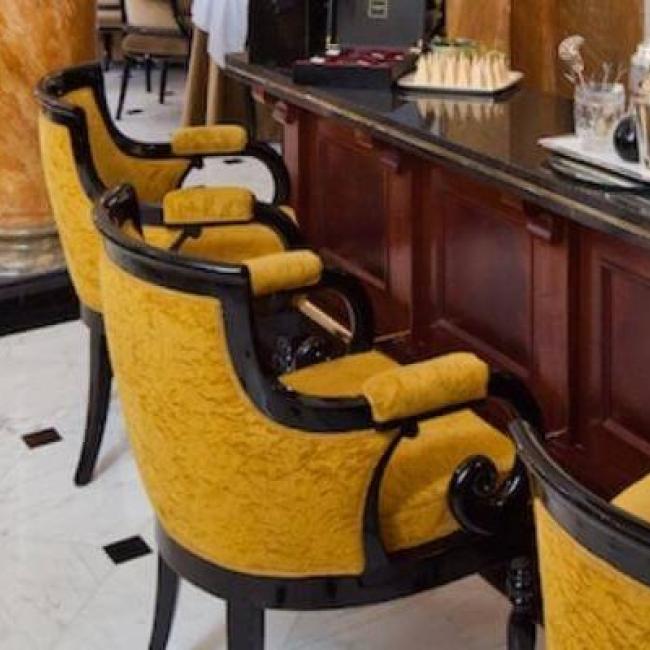
His counter is the hotel’s “second reception desk”: it is here that clients come to wind down over an aperitif, to toast a busines…
DISCOVER MORE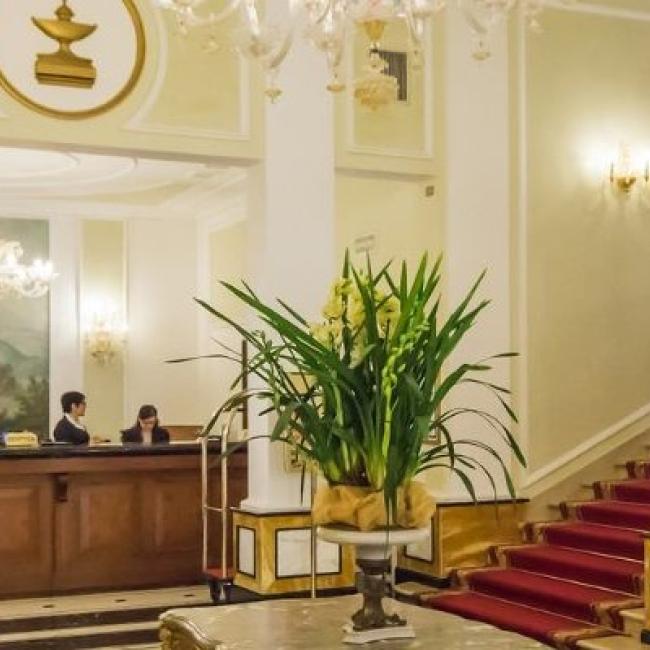
The Grand Hotel Majestic “già Baglioni” is a special place, made up of people who give of their all every day to pamper guests and…
DISCOVER MORE
Chef Guglielmo Araldi arrived at the Majestic at the busiest time of year, bringing his experience to a team that was already well…
DISCOVER MORE
Florina Grecu and Barbara Romanato lead a team of housekeepers who ensure not only absolute cleanliness but also attention to deta…
DISCOVER MORE
What goes on behind the concierge’s desk at the Grand Hotel Majestic “già Baglioni” in Bologna? In this article we tell you the an…
DISCOVER MORE
Elena Spadaro has been one of the pillars of the Grand Hotel Majestic “già Baglioni” in Bologna for the last three years: today sh…
DISCOVER MORE He has lived at the Grand Hotel Majestic “già Baglioni” in Bologna for decades, but he’s not a guest. Here manager Tiberio Biondi…
DISCOVER MORE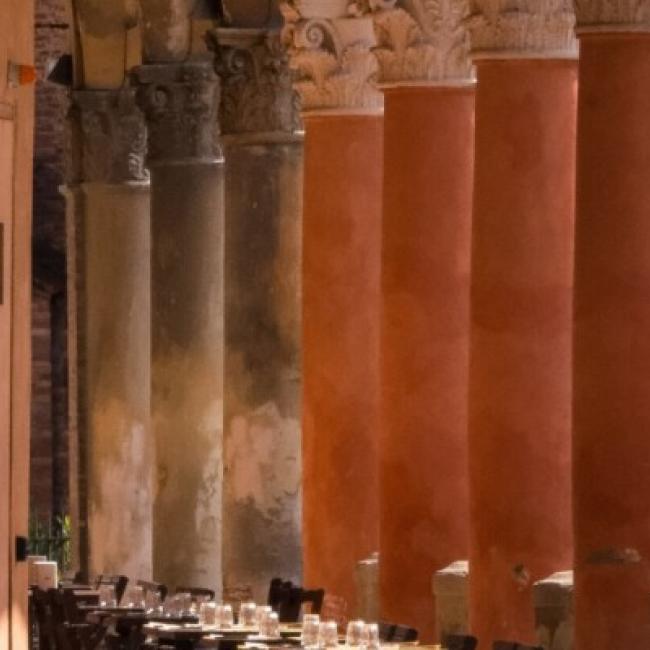
The arcades of Bologna embrace the historic center and go as far as outside the city walls. The entire complex is divided into twe…
DISCOVER MORE “The word ‘Christmas’ has always evoked a strong sense of warmth, family and love and we like to think of the Grand Hotel Majestic…
DISCOVER MORE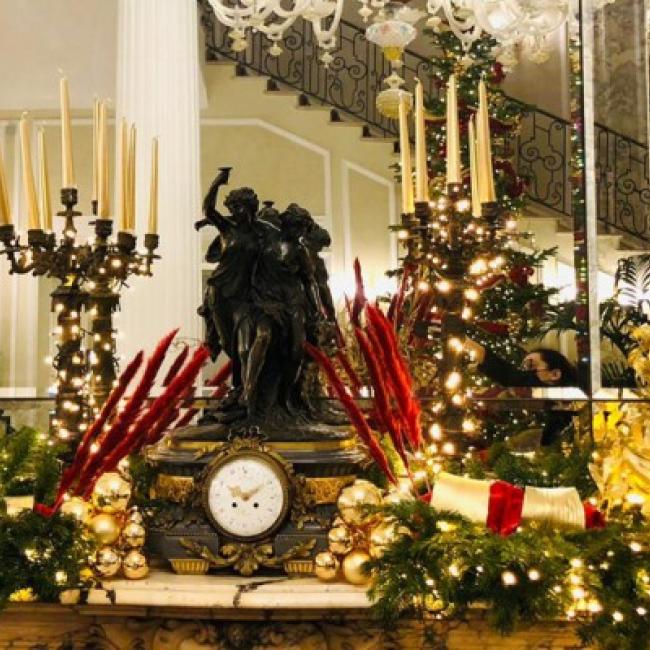
During the festive period in Bologna, a city of unique, distinctive charm, the atmosphere becomes all the more magical with Christ…
DISCOVER MORE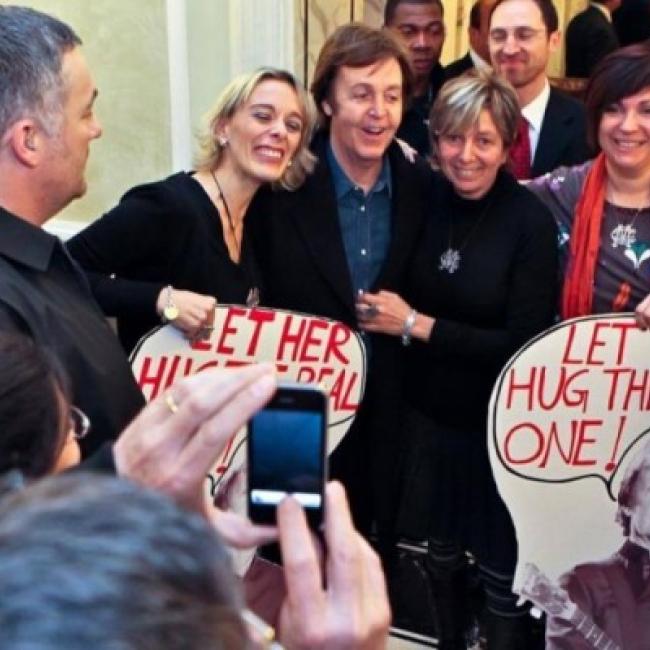
Since the early 20th century, the Grand Hotel Majestic “già Baglioni” has been a second home for great stars passing through Bolog…
DISCOVER MORE
There is a secret Bologna hiding away among its courtyards and behind the walls of its old historical buildings. Places like the G…
DISCOVER MORE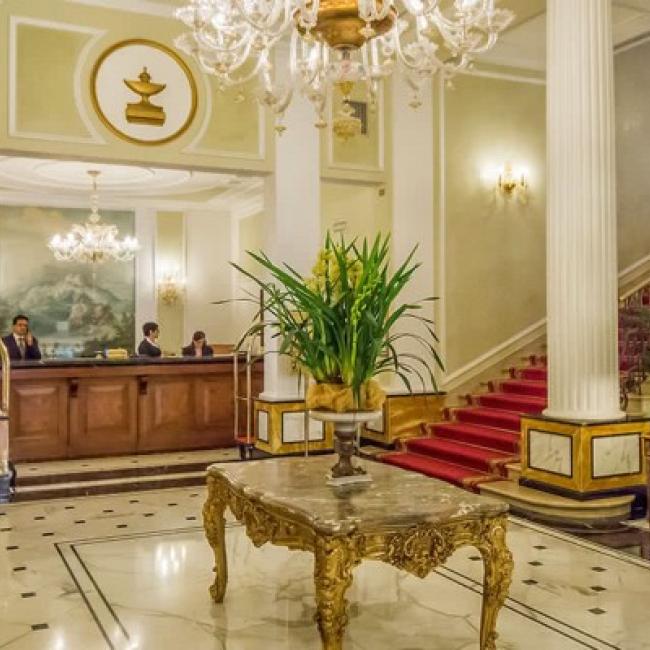
The Grand Hotel Majestic “già Baglioni” in Bologna, a treasure trove of art and history with lots of stories to tell, offers guest…
DISCOVER MORE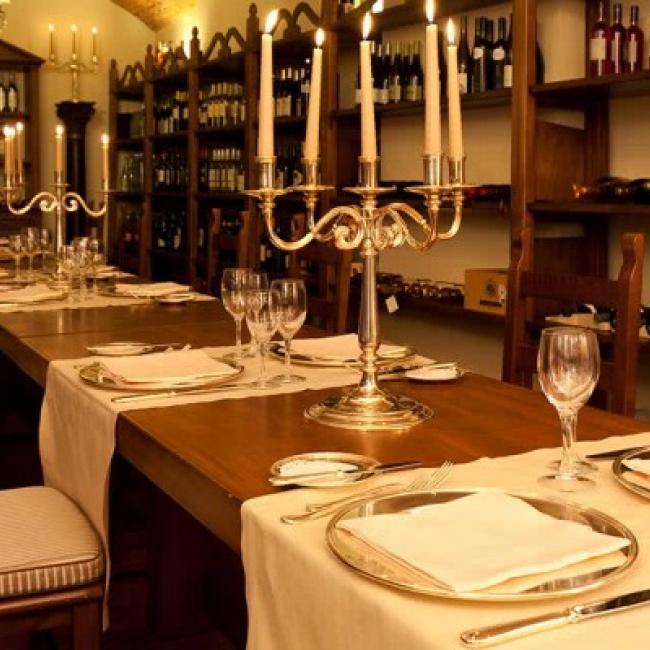
These digital pages allow us to open the doors of the Grand Hotel Majestic “già Baglioni” “virtually”. Housed in a historical pala…
DISCOVER MORE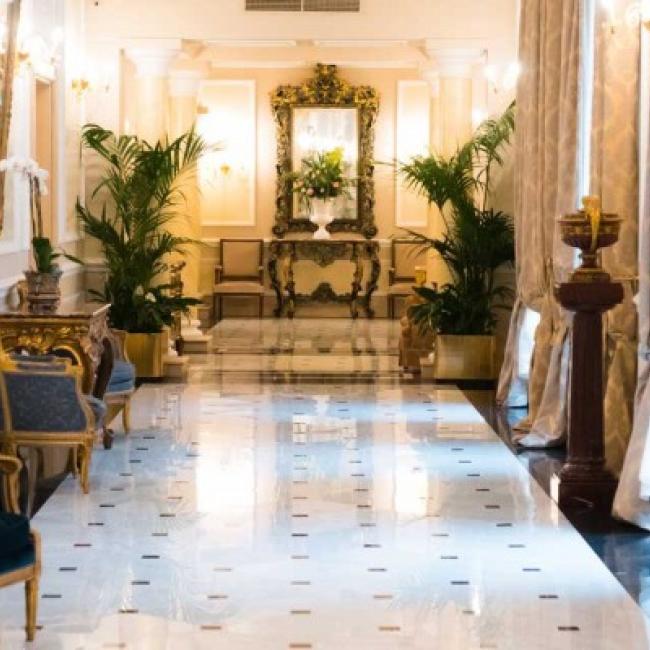
Bologna is a city with a thousand vocations. Located in the city centre, the Grand Hotel Majestic già Baglioni is the ideal base f…
DISCOVER MORE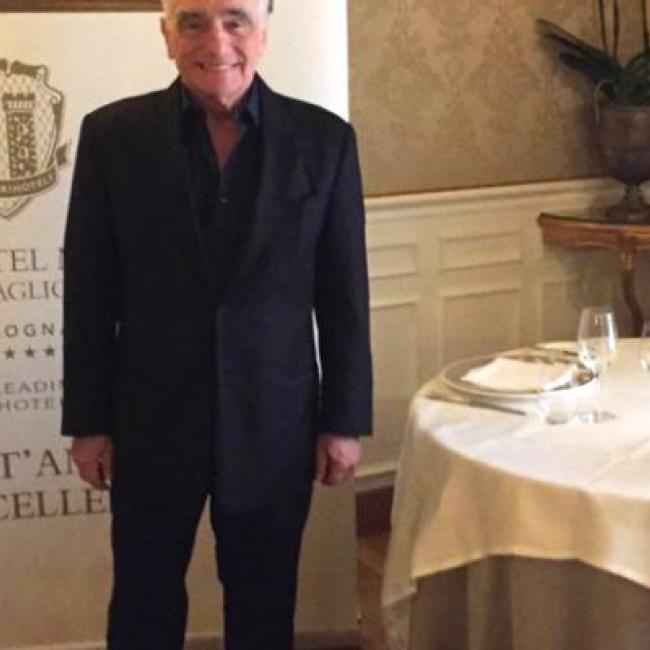
The Grand Hotel Majestic “già Baglioni” has always been a home from home for celebrities in Bologna and is especially popular with…
DISCOVER MORE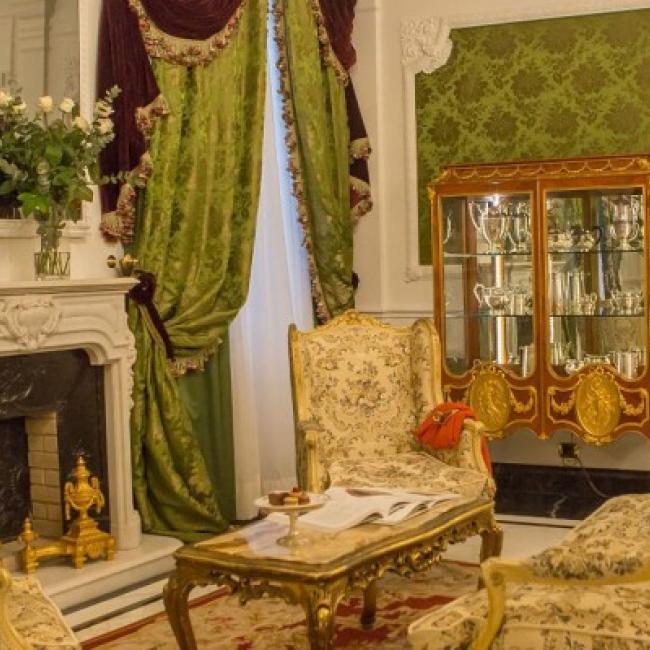
Staying in an 18th-century palace means stepping into a history book, traveling back in time with every step. This is especially t…
DISCOVER MORE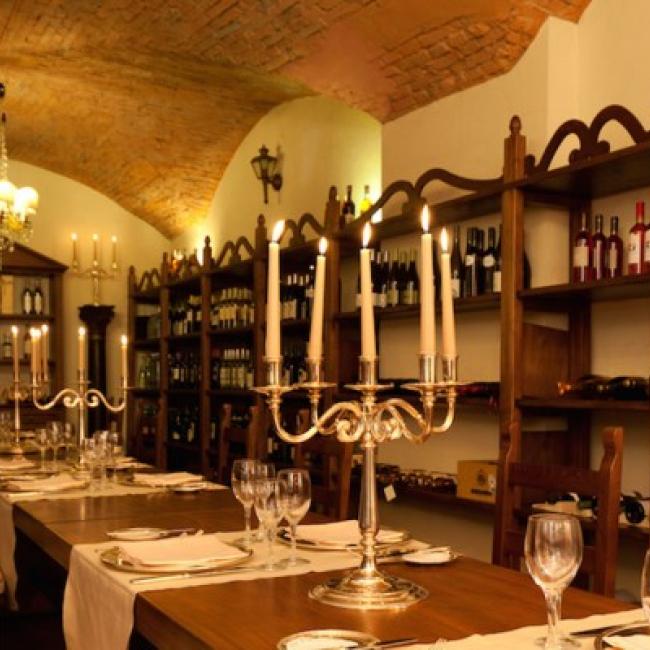
Bologna has a vivacious, extrovert, multi-faceted character, and the Grand Hotel Majestic “già Baglioni” is located right at its c…
DISCOVER MORE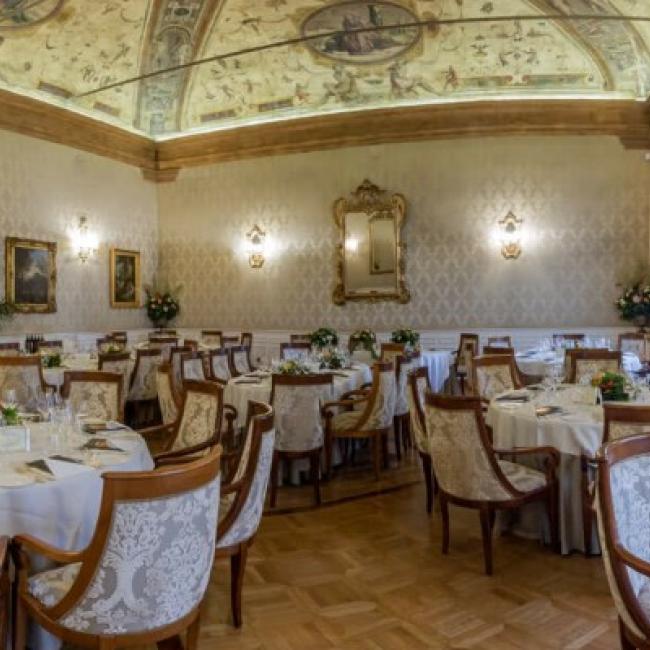
The Grand Hotel Majestic “già Baglioni” has many a tale to tell. Here objects d’art, furniture and decorations all recount Bologna…
DISCOVER MORE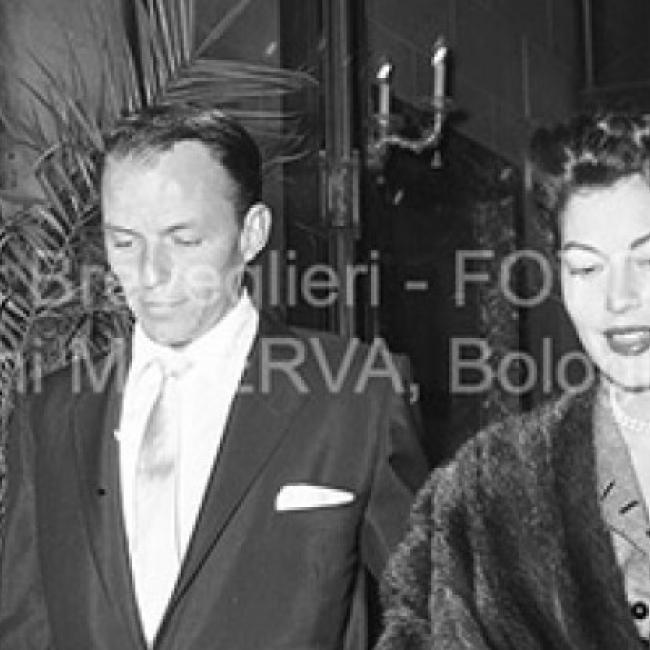
The golden age of cinema and showbusiness – the 1950s and 1960s – touched on Bologna, where the stars and celebrities of yesteryea…
DISCOVER MORE
Having beauty at heart means assuming the responsibility for protecting it. For example, by taking care of the local area, on a sm…
DISCOVER MORE
The Emilia-Romagna region boasts a unique food heritage and its capital Bologna, the “Fat One”, is a Mecca for the curious gourman…
DISCOVER MORE
Between the Grand Hotel Majestic “già Baglioni” and Bologna there’s much more than a bond consolidated down the centuries. The hot…
DISCOVER MORE
A journey back in time to Bononia, first a Roman colony and then a city. The Grand Hotel Majestic “già Baglioni” is one of the few…
DISCOVER MORE
The Grand Hotel Majestic "già Baglioni" is located only a few steps away from Piazza Maggiore, in the very heart of Bologna, the c…
DISCOVER MORE
Almost all the celebrities who spent at least one night in Bologna have been guests at the Grand Hotel Majestic "già Baglioni". If…
DISCOVER MORE
The Grand Hotel Majestic "già Baglioni" is located only a few steps away from Piazza Maggiore, in the very heart of Bologna, the c…
DISCOVER MORE
Today this blog comes to life and we virtually open the doors of the Grand Hotel Majestic "già Baglioni" in Bologna, a special pla…
DISCOVER MORE
Thinking of a hotel as the expression of a mere commercial activity, albeit in one of the noblest and most strategic branches of t…
DISCOVER MORE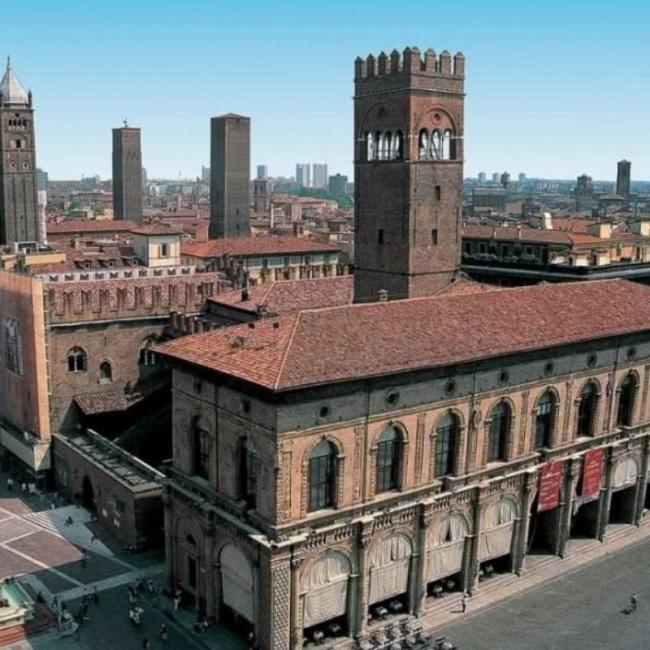
European Culture Capital in the year 2000 and UNESCO City of Music in 2006, Bologna has another claim to fame: the oldest universi…
DISCOVER MORE
Before retracing the extraordinary path of the centuries-old activity of the Grand Hotel Majestic «già Baglioni» in its noble head…
DISCOVER MORE
This journey around Bologna and the Emilia region’s culinary delights begins with a buffet breakfast to the tune of music at Già B…
DISCOVER MORE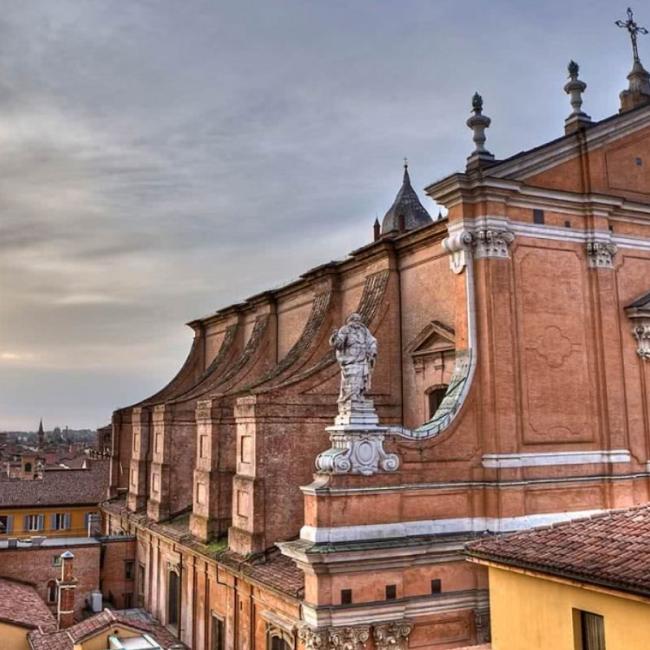
When Guido Baglioni moved to the Umbilicum Urbis, Bologna experienced a period of great fervor and stood out as one of Italy's mos…
DISCOVER MORE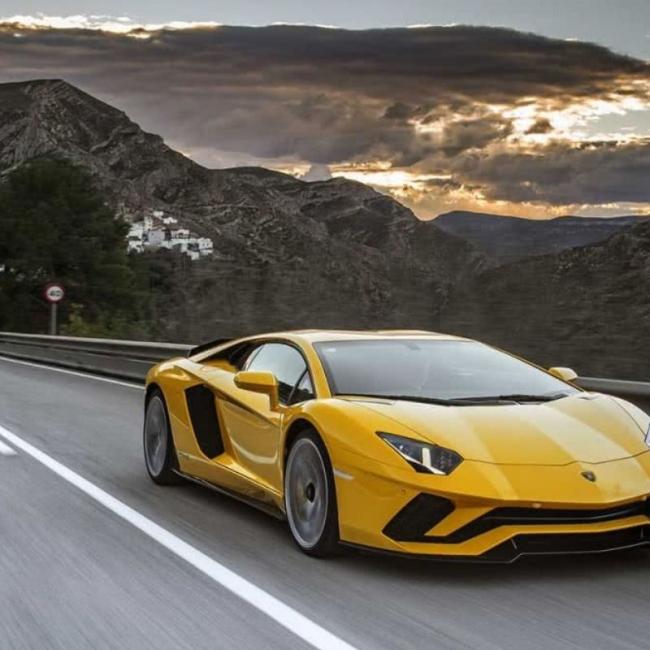
The land of motorcars par excellence offers a great many tours and activities to make your stay in Bologna unforgettable and Già B…
DISCOVER MORE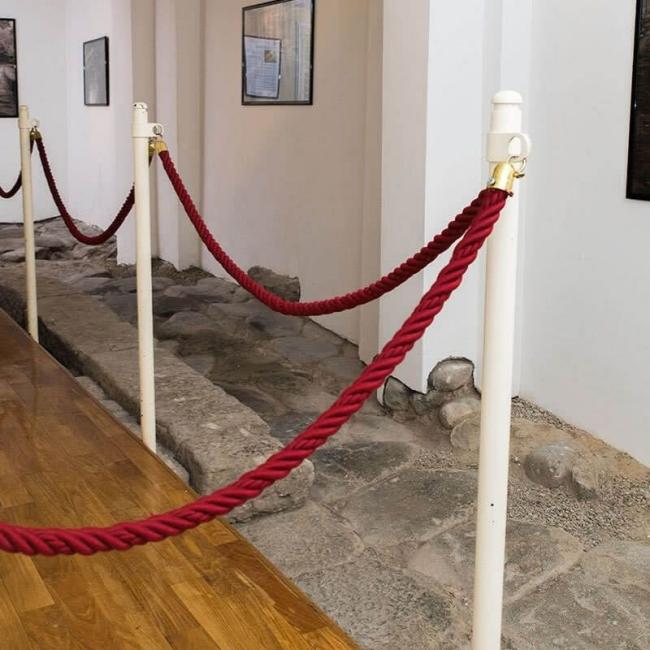
To trace the history of such a significant stretch of city as the one home to the Hotel Baglioni, we must trace the origins of the…
DISCOVER MORE
No trip to Bologna should miss out on the history and culture packed towns of the Emilia Romagna region, a journey around Italy’s…
DISCOVER MORE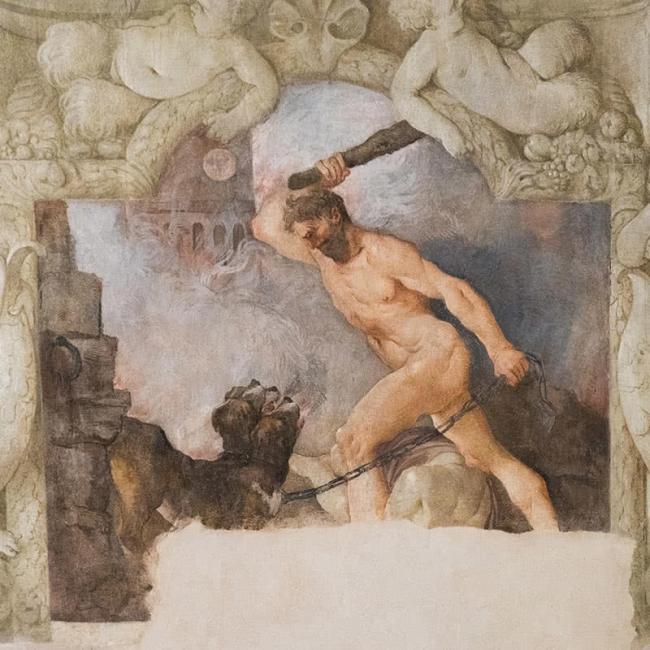
When Roman civilization, exhausted by the passage of time, gave in to the innovations that were advancing and transforming it-that…
DISCOVER MORE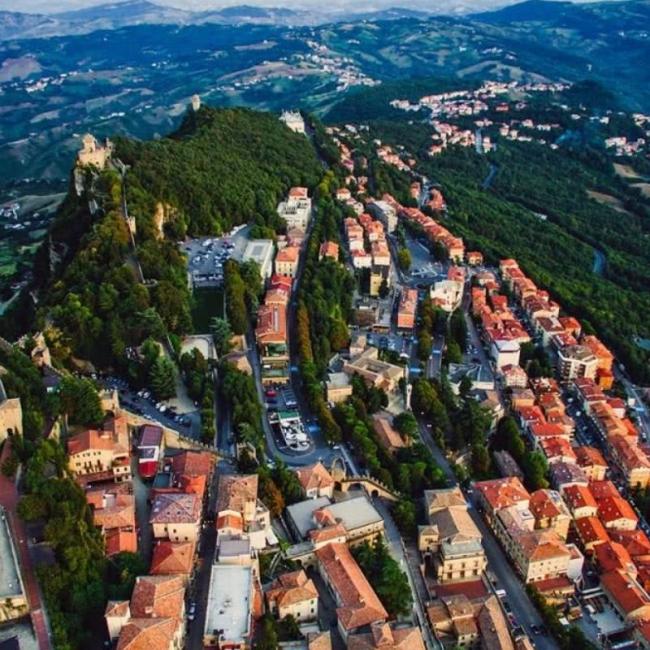
The second itinerary visits the Republic of San Marino and continues to the sea, the famous Romagna Riviera, through the folklore…
DISCOVER MORE
The city’s most exclusive meeting places is just a few steps away from the centre - Galleria Cavour, luxury shopping centre since…
DISCOVER MORE Here are six suggested itineraries around Bologna’s art attractions and much more besides. Experience Romagna with its traditional…
DISCOVER MORE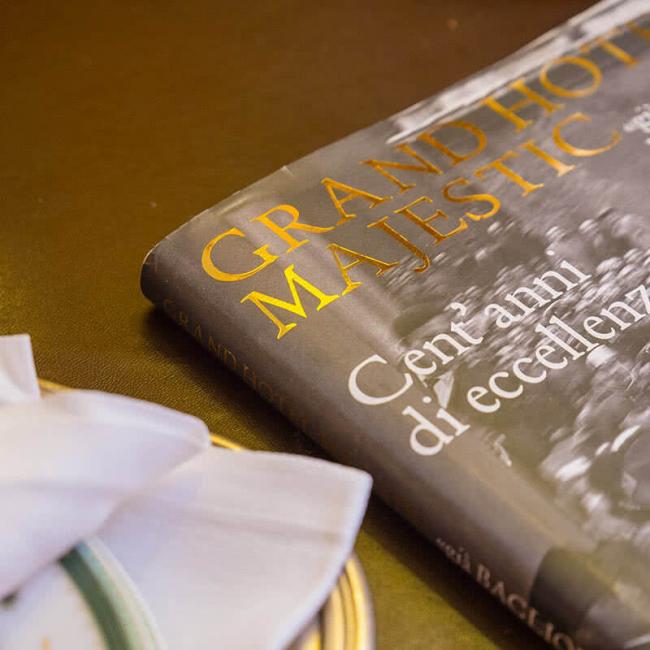
"Grand Hotel Majestic ‘già Baglioni’ – Bologna. Cent’anni di eccellenze” (Grand Hotel Majestic ‘già Baglioni’ – Bologna. One hundr…
DISCOVER MORE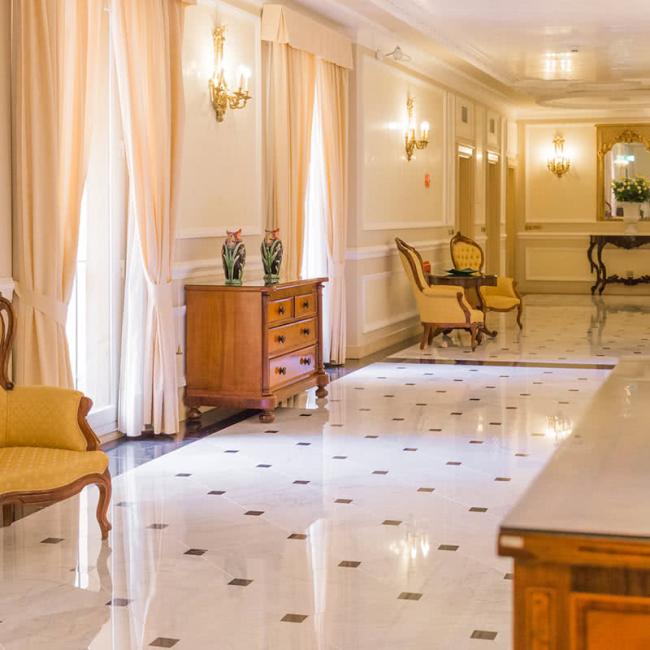
In the heart of Bologna, the Grand Hotel Majestic “già Baglioni” offers centuries of Italian art, architecture and hospitality. Ev…
DISCOVER MORE