In search of the origins
30-10-2017 | Style & Culture
Written by: Giancarlo Roversi
The Grand Hotel d'Italie Baglioni and the moods of Bologna a hundred years ago
Before retracing the extraordinary path of the centuries-old activity of the Grand Hotel Majestic «formerly Baglioni» in its noble headquarters on Via Indipendenza, it is appropriate, for the completeness of the historiographical framework, to take a step back to rediscover the roots of its original presence under the Two Towers. Its history, but perhaps it is worth mentioning its prehistory, began in the heart of Bologna in 1891 on Via Ugo Bassi at the corner with Via Oleari in the ancient Palazzo della Gabella (now the seat of the Bank of Rome), built in 1574-1577 based on a design by Domenico Tibaldi. Within its walls, the Albergo Italia was already active around the mid-nineteenth century, managed by two well-known Bolognese hotel operators, Ambrosoli and Nicola. The owner of the building was Count Mario Venturoli Mattei.
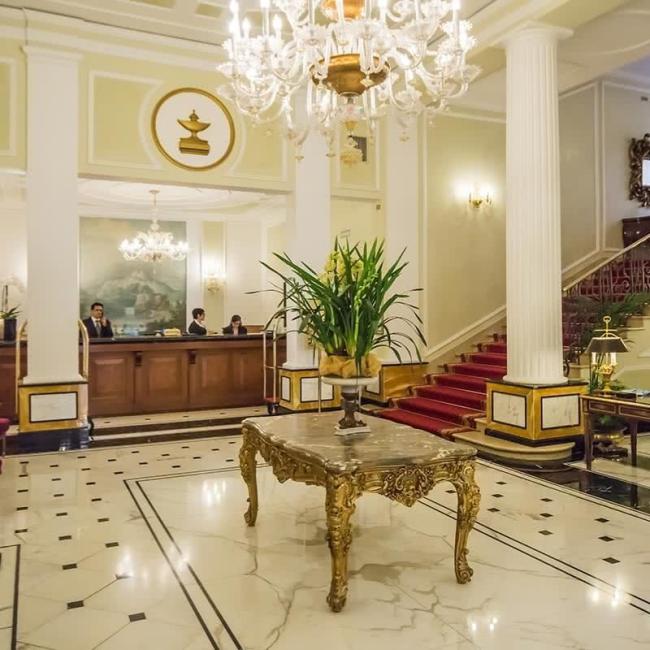
On December 4, 1876, the hotel had hosted, among other things, the great banquet in honor of Richard Wagner and his wife Cosima on the occasion of the awarding of honorary citizenship of Bologna to the great German composer. Forty very select diners were present, fresh from Rienzi's performance at the Teatro Comunale. In the courtyard of the hotel, Maestro Antonelli, director of the municipal band, performed symphonies by Lohengrin, Tanhauser and Rienzi for the occasion, receiving warm applause from Wagner himself.
In its halls, an old guide reports, «ministers and deputies, illustrious men and noble foreign families stopped and high-importance political banquets were held». In 1889, as can be seen from an old account, it was managed solely by Giuseppe Nicola who, three years later, on 30 April 1892, sold it to Guido Baglioni, defined in a contemporary publication «a serious and active Turin industrialist who brought with him all the reforms required by modern needs». This is a crucial step because it marks the arrival in Bologna of a member of the great Baglioni hotel family, namely Guido Baglioni, but above all it sparks the spark that, twenty years later, will make a new star of the first magnitude shine with vivid light in the firmament of Bolognese hospitality: the Grand Hotel Baglioni, which later became the Grand Hotel Majestic «già Baglioni».
But let's return for a moment to the early years of his «incubator», the Grand Hotel d'Italie on Via Ugo Bassi, which was attracting strong praise from Italian and foreign customers thanks to the skillful guidance of the Baglioni family.
A beautiful French advertising poster from the late 19th century, enlivened by a view of the magnificent Renaissance courtyard of the ancient Palazzo della Gabella (later covered in the early 20th century and transformed into a reception hall) illustrates the comforts the hotel was equipped with: hydraulic elevator, heating with radiators, small and large suites, bathrooms and showers, reading room and smokehouse, restaurant for breakfasts and lunches served at the same price as the table d'hôte.
These improvements fully justify the change of its name, which had immediately become more high-sounding and in keeping with the ambitions of its helmsman Guido Baglioni: Grand Hotel d'Italie-Baglioni.
Guido himself, a few years later, also took over the management of a hotel at Bagni della Porretta in a pleasant location along the Reno river.
A clear photograph of the Bolognese hotel reality at the dawn of the 20th century is taken in the sixth French edition of the famous Manuel du voyageur edited and published by Karl Baedeker in Leipzig (1904).
A telegraphic and concise judgment is provided for each city hotel: an appreciation all the more interesting as it comes from what was then considered the most authoritative tourist guide at European level.
Here is the opinion on the hotel managed by Guido Baglioni: Hotel d'Italie (managed by Baglioni), in Palazzo Mattei, via Ugo Bassi 1, «de premier ordre avec ascenseur et caloriféres». Cost per room: 3.50 francs; three meal options: 1.50, 3.50, and 4.50 francs; omnibus fare to the station: one franc.
One of Italy's most esteemed hoteliers and of an enterprising and far-sighted temperament, Guido Baglioni, after two decades on Via Ugo Bassi, turned his gaze to the ancient artistic building formerly of the Archbishop's Seminary on Via Indipendenza, the new fast straight road leading to the railway station, completed in 1890. After having fulfilled his dream, thanks to his rich knowhow, he made it a new sumptuous hotel, emphasizing the name of his family: the Hotel Baglioni. Bologna was thus enriched by a new, noteworthy hotel structure destined to leave a significant mark on the history of Bologna's hotel industry and the city itself.
From this moment on, the affairs of the two Baglioni hotels diverge. In fact, in 1912 the Gran Hotel d'Italie passed into the management of Salvatore Cevenini who also managed the nearby well-known Albergo del Pellegrino. A hotelier born after traveling far and wide across Europe and living in London and Paris, Cevenini thus found himself at the helm of Petroniano's famous hotel. He spoke four languages brilliantly «with an accent that all outsiders recognize as enviable». His greatest merit was to have introduced in Bologna the improvements imposed by modern needs on the hotel industry, drawing on the experience acquired in the large hotels of European capitals.
Instead, the Grand Hotel Baglioni, in its new location on Via dell'Indipendenza, which had already become the city's elegant promenade under its porticoes, was preparing to become Bologna's iconic hotel, the most sought-after and praised by prominent figures stopping by or passing through the city.
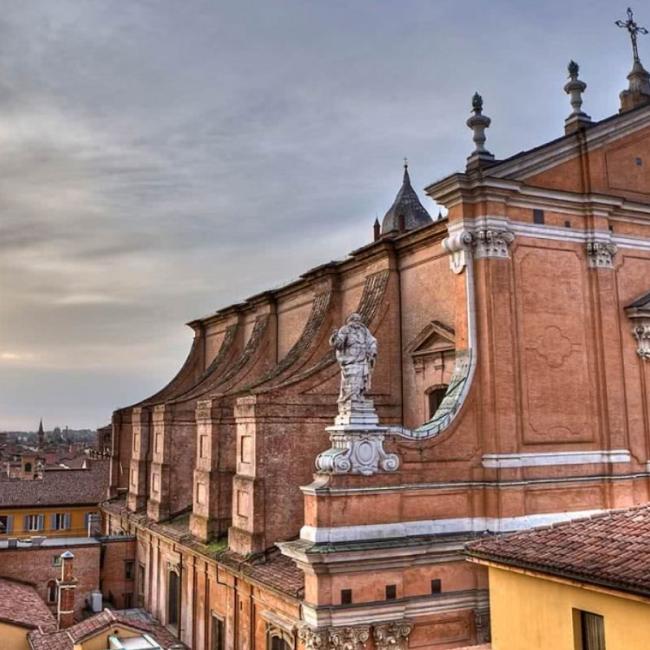
Scenarios and ferment of Bologna
When Guido Baglioni moved to the Umbilicum Urbis, Bologna experienced a period of great fervor and stood out as one of Italy's most dynamic centers, both economically and culturally, thanks to brilliant entrepreneurs, astute public administrators, and an authoritative array of intellectuals and admired university professors. Bologna, with a population of 172,000, is increasingly becoming a hub for the country's road and rail communications.
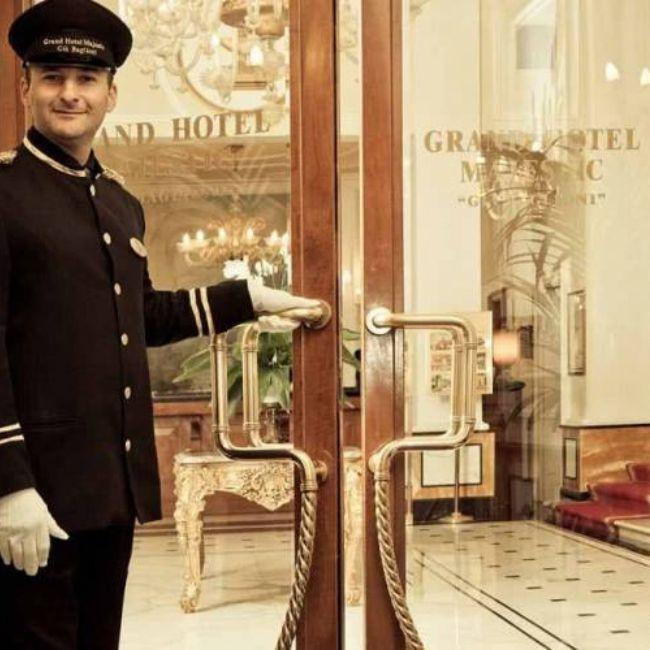
A century of excellence in hospitality
Thinking of a hotel as the expression of a mere commercial activity, albeit in one of the noblest and most strategic branches of the tourism sector, that linked to hospitality, means making a mistake in perspective or even a downright debasement bordering on trivialization. It is certainly an economic reality, even of a high level and in any case of strong social value, which however goes through many aspects of the historical path and lifestyles of a community and a territory with significant cultural and image implications.
Other stories
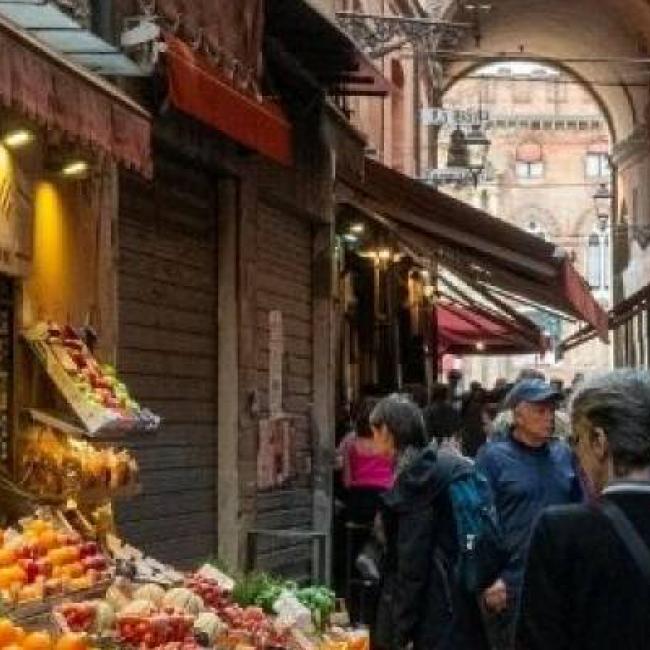
The Quadrilatero is not merely a district: it is a medieval stage where the most authentic and theatrical Italy comes to life.
DISCOVER MORE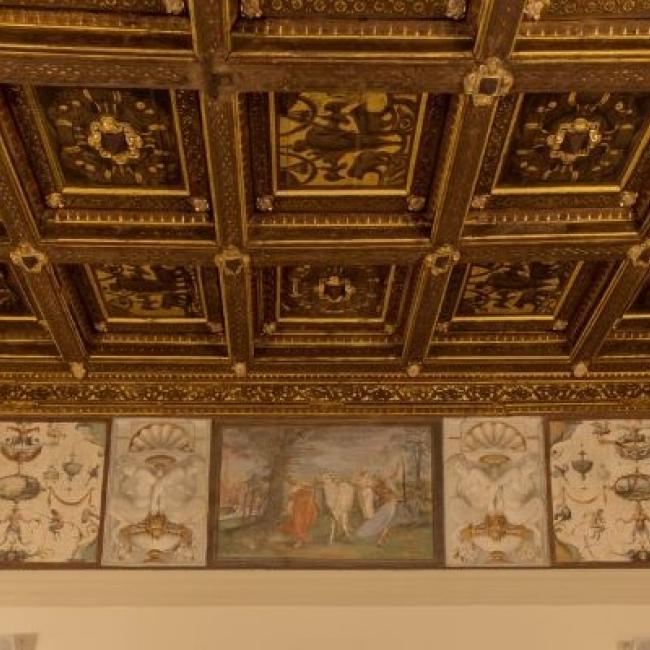
Bologna is mainly known for its medieval soul but also has an important Renaissance past, with works of great masters in churches…
DISCOVER MORE
Immerse yourself in the culinary tradition of Bologna with a unique and engaging experience: our cooking classes dedicated to hand…
DISCOVER MORE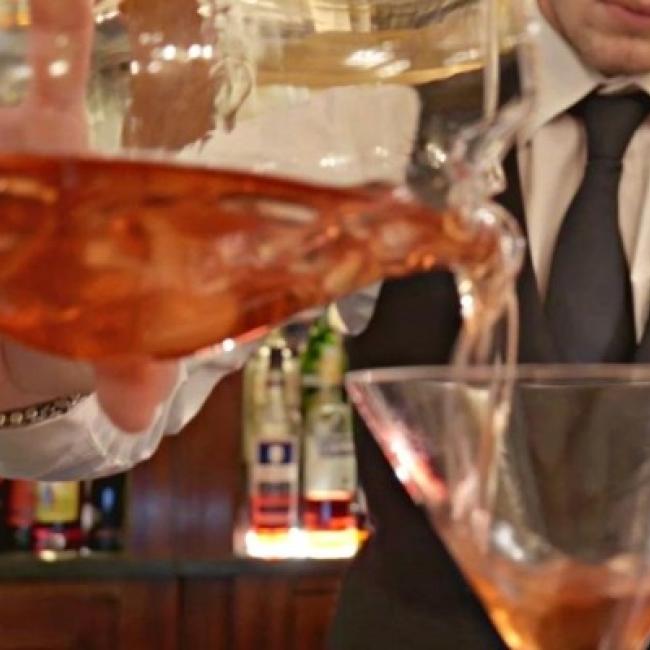
Here’s an idea for celebrating the Grand Hotel Majestic “già Baglioni”’s first 110 years with us: not only can you enjoy a taste,…
DISCOVER MORE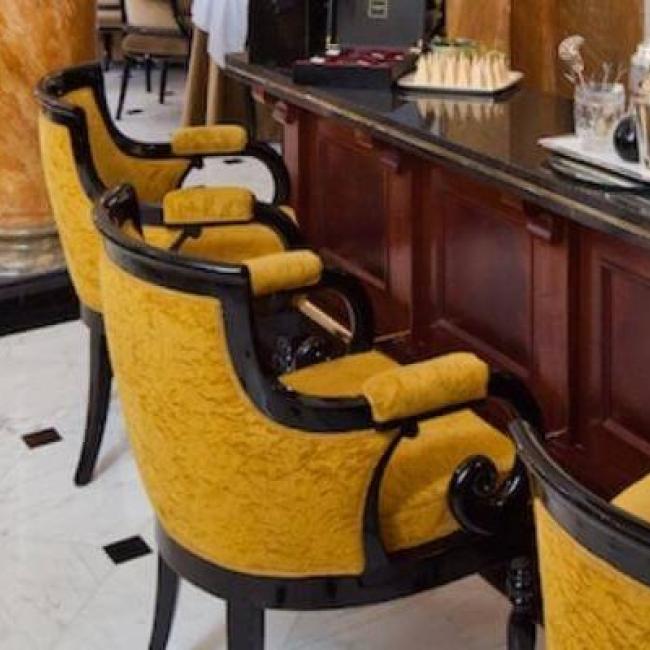
If we were to imagine the Italian Futurist movement as a train – after all, as an heir to Symbolism it was madly in love with spee…
DISCOVER MORE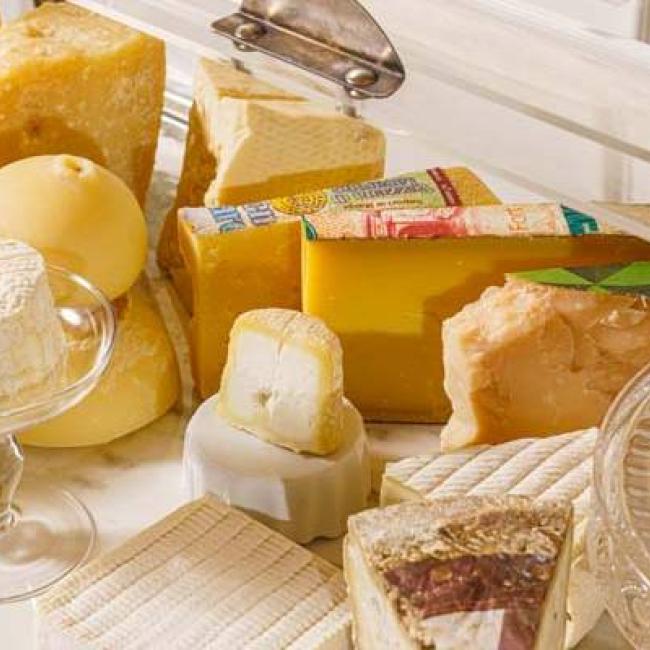
At Ristorante I Carracci, every detail is designed to offer an exclusive gastronomic experience. Among the excellences that make o…
DISCOVER MORE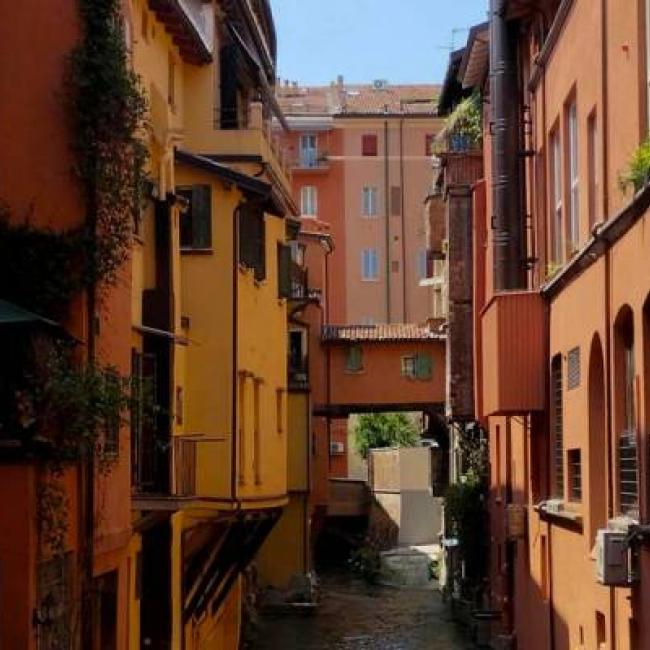
Bologna has a past rich in canals and waterways, many of which today remain hidden from view and emerge in unexpected views and su…
DISCOVER MORE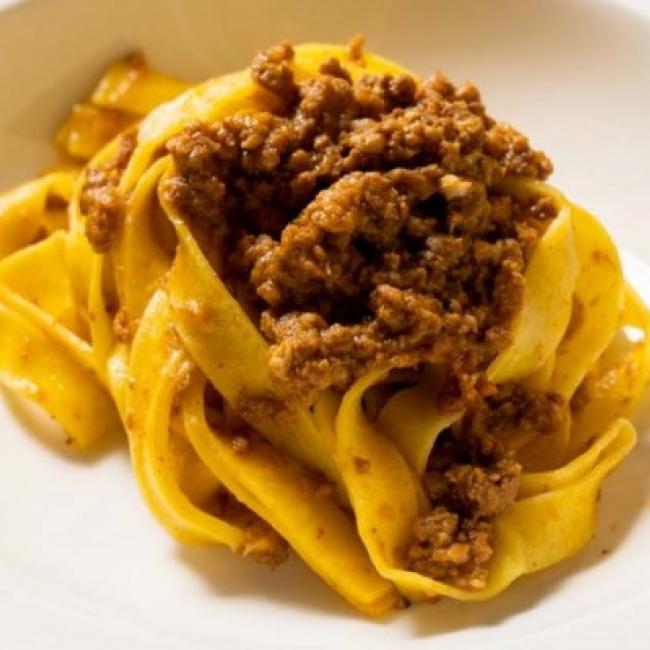
Picture yourself immersed in a world of rich flavors, where each bite takes you on a journey through the culinary heritage of Emil…
DISCOVER MORE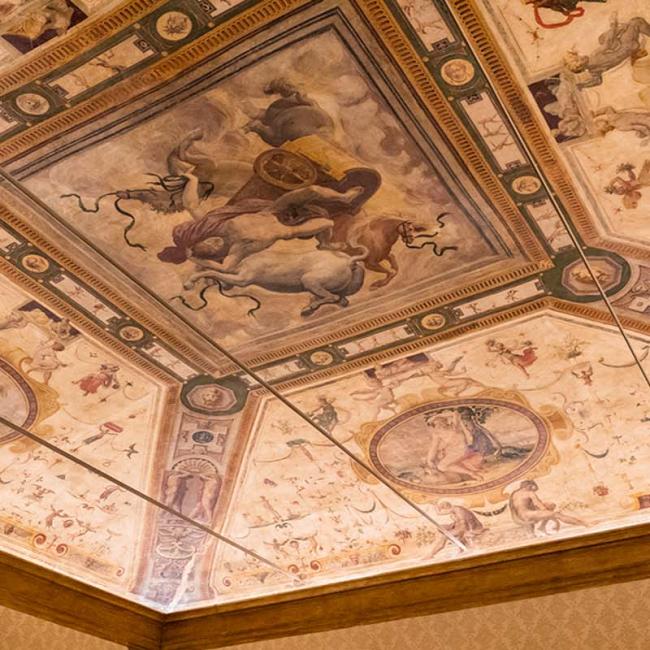
Over fifty museums house an extraordinary heritage and a wide range of offerings, characterized both by the quality of the exhibit…
DISCOVER MORE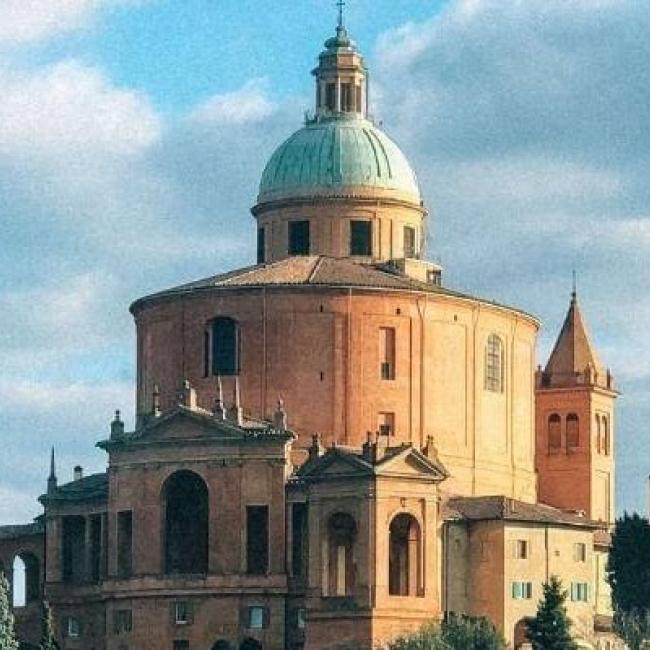
Linked to thousands of different worlds, Bologna embraces and fascinates its visitors. The city and its hills offer endless possib…
DISCOVER MORE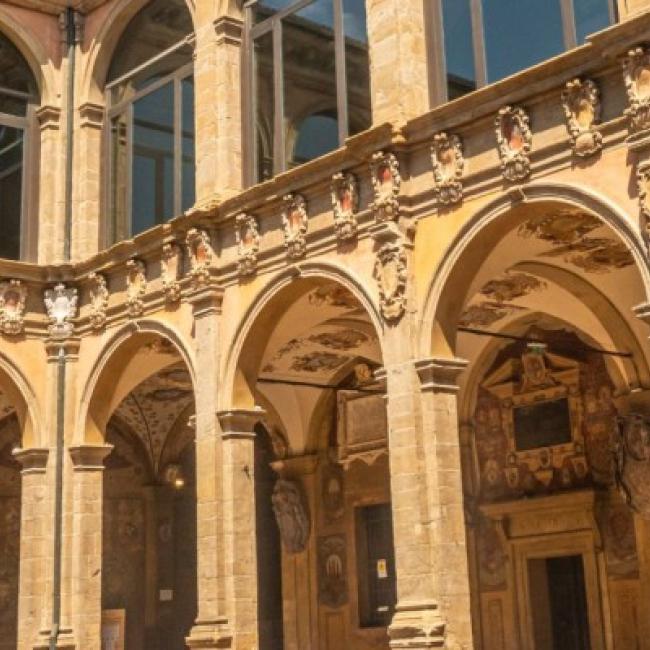
The Archiginnasio Palace is one of the most significant buildings in Bologna. Located in the heart of its historic centre, it has…
DISCOVER MORE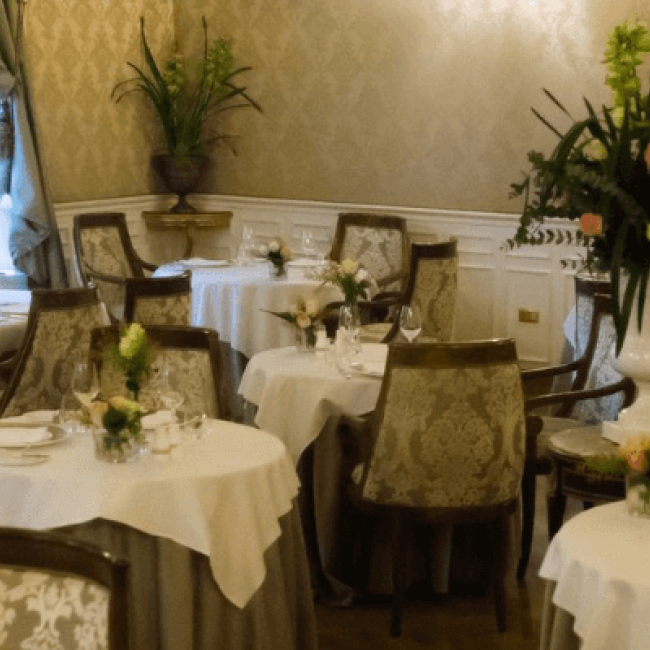
Today we cross the threshold of the Grand Hotel Majestic “già Baglioni” in the company of the manager Tiberio Biondi, who explains…
DISCOVER MORE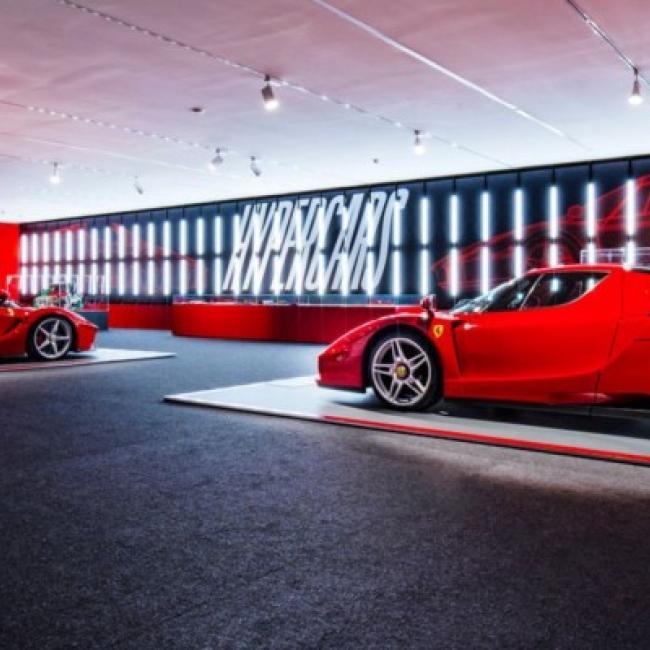
The Motor Valley is the territory, which includes the areas of Bologna, Imola and Modena, where some of the most important car and…
DISCOVER MORE
“Christmas is coming, the holiday that more than any other celebrates the pleasure of being together. This is why I wish to thank…
DISCOVER MORE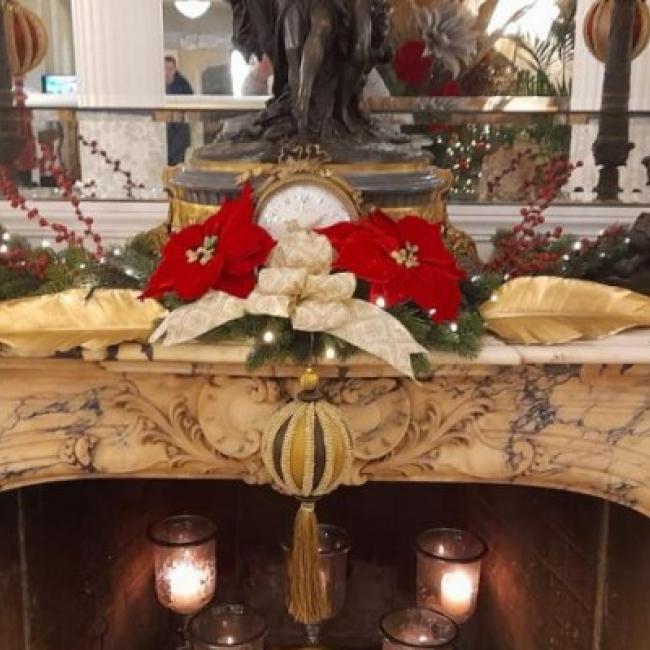
Christmas is on the way and this year it is going to be a special one, a holiday to share with loved ones and friends. Here Elena…
DISCOVER MORE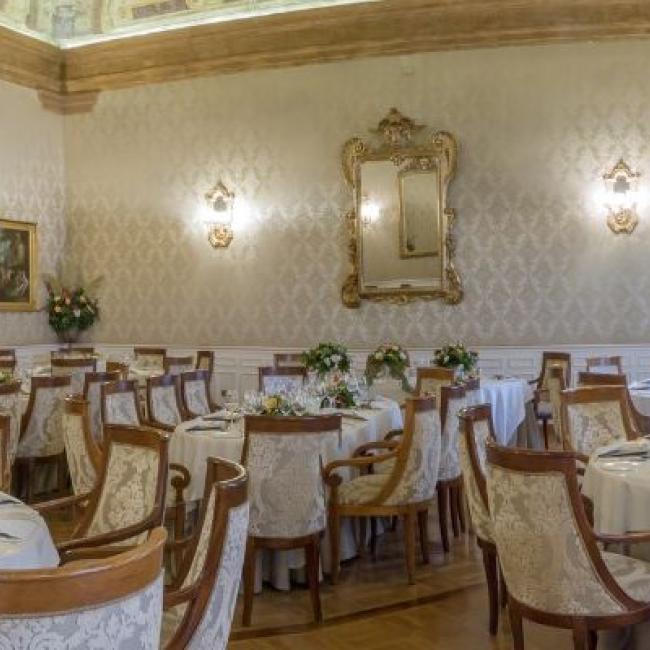
Giordano De Lellis has worked in hospitality for 12 years, while Aurora Gjinaj arrived a few months ago. Two voices that tell us w…
DISCOVER MORE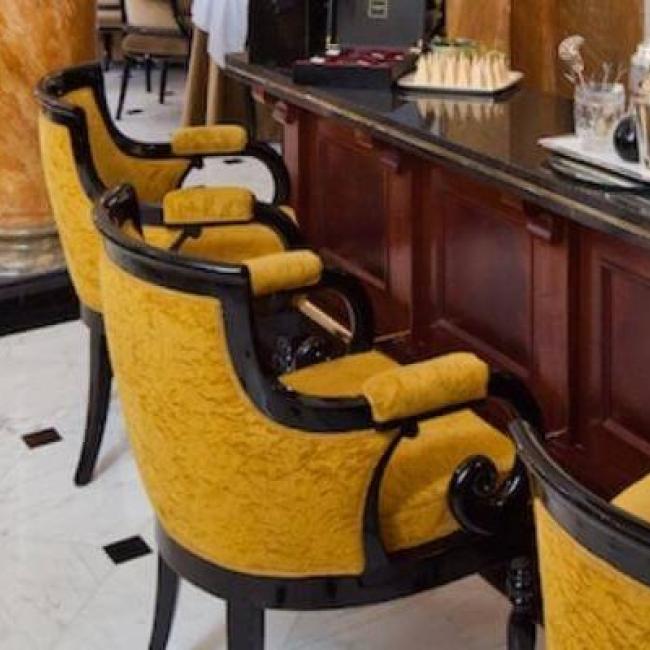
His counter is the hotel’s “second reception desk”: it is here that clients come to wind down over an aperitif, to toast a busines…
DISCOVER MORE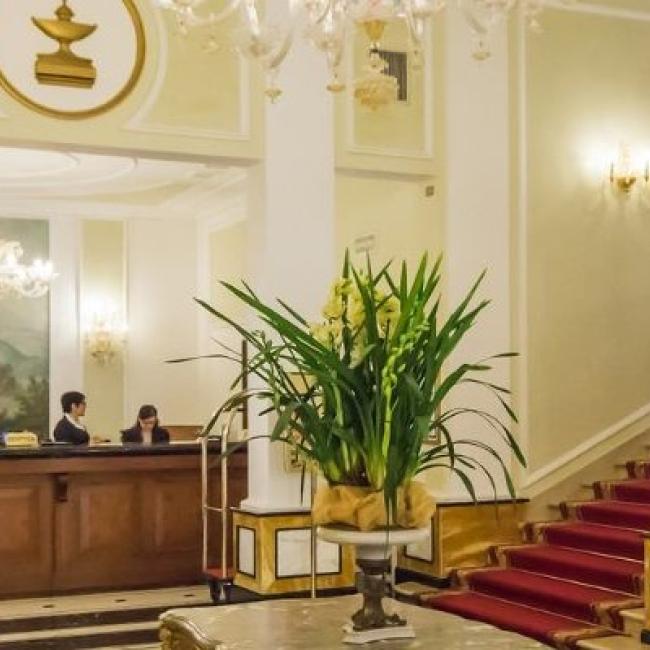
The Grand Hotel Majestic “già Baglioni” is a special place, made up of people who give of their all every day to pamper guests and…
DISCOVER MORE
Chef Guglielmo Araldi arrived at the Majestic at the busiest time of year, bringing his experience to a team that was already well…
DISCOVER MORE
Florina Grecu and Barbara Romanato lead a team of housekeepers who ensure not only absolute cleanliness but also attention to deta…
DISCOVER MORE
What goes on behind the concierge’s desk at the Grand Hotel Majestic “già Baglioni” in Bologna? In this article we tell you the an…
DISCOVER MORE
Elena Spadaro has been one of the pillars of the Grand Hotel Majestic “già Baglioni” in Bologna for the last three years: today sh…
DISCOVER MORE
He has lived at the Grand Hotel Majestic “già Baglioni” in Bologna for decades, but he’s not a guest. Here manager Tiberio Biondi…
DISCOVER MORE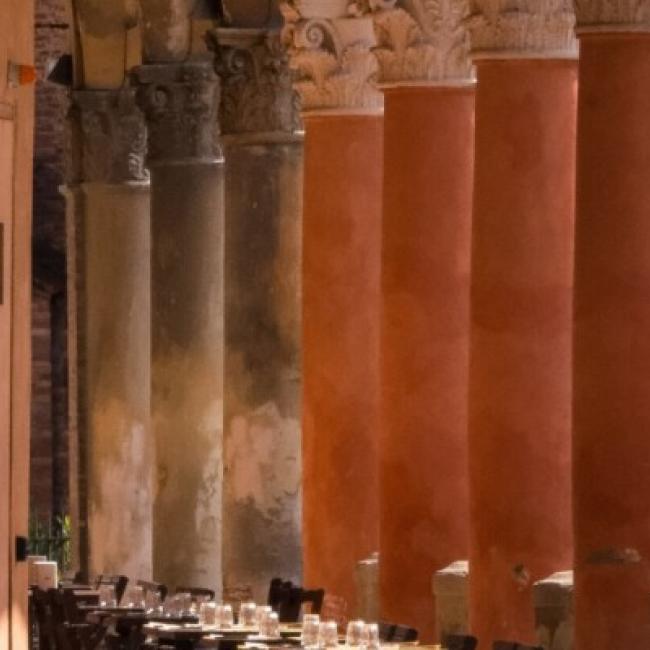
The arcades of Bologna embrace the historic center and go as far as outside the city walls. The entire complex is divided into twe…
DISCOVER MORE
“The word ‘Christmas’ has always evoked a strong sense of warmth, family and love and we like to think of the Grand Hotel Majestic…
DISCOVER MORE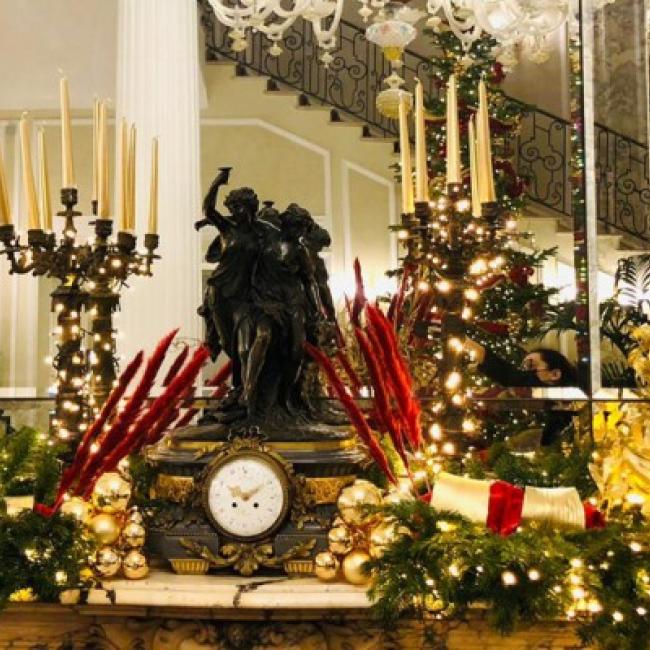
During the festive period in Bologna, a city of unique, distinctive charm, the atmosphere becomes all the more magical with Christ…
DISCOVER MORE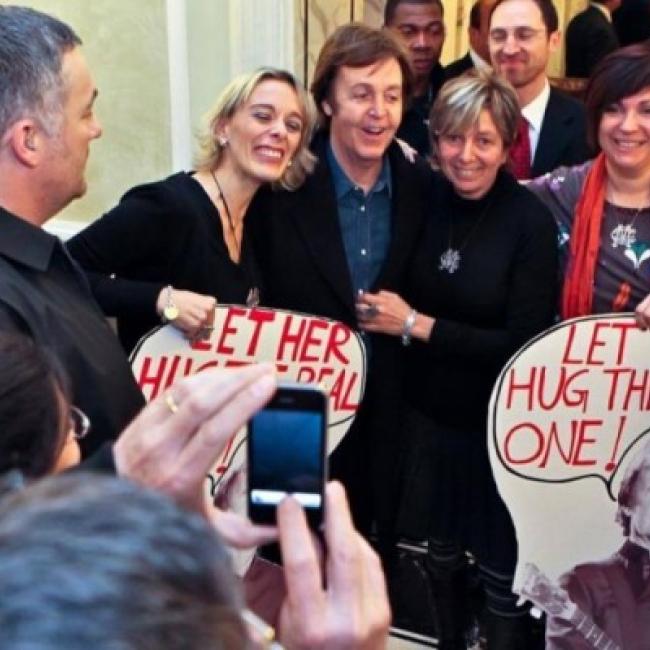
Since the early 20th century, the Grand Hotel Majestic “già Baglioni” has been a second home for great stars passing through Bolog…
DISCOVER MORE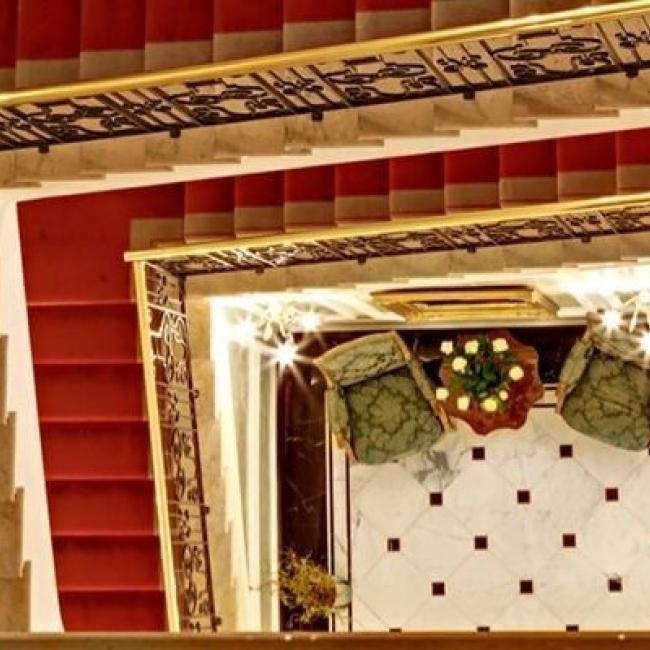
There is a secret Bologna hiding away among its courtyards and behind the walls of its old historical buildings. Places like the G…
DISCOVER MORE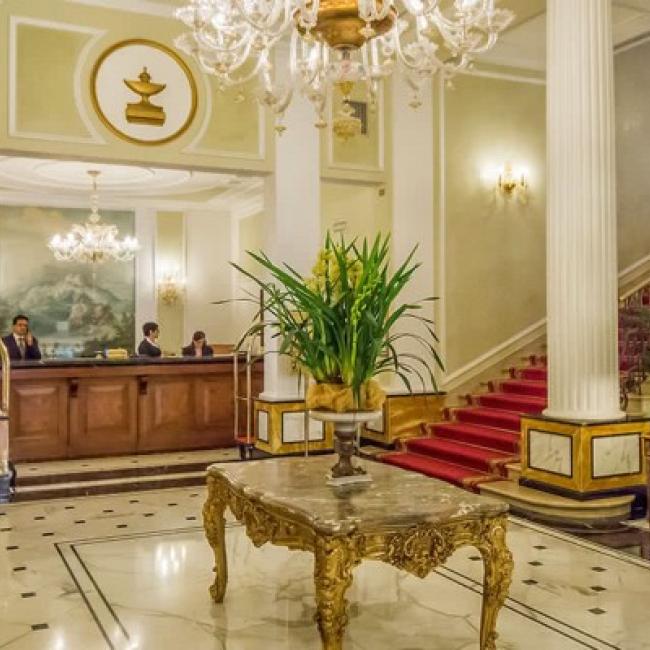
The Grand Hotel Majestic “già Baglioni” in Bologna, a treasure trove of art and history with lots of stories to tell, offers guest…
DISCOVER MORE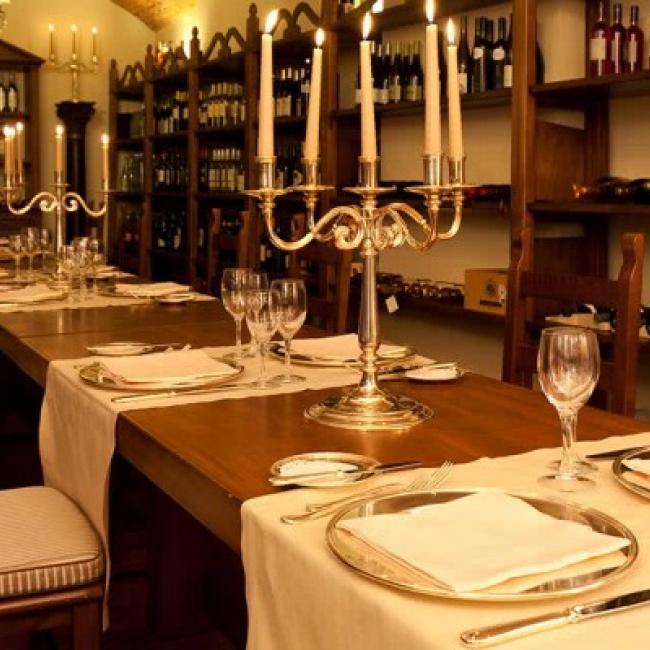
These digital pages allow us to open the doors of the Grand Hotel Majestic “già Baglioni” “virtually”. Housed in a historical pala…
DISCOVER MORE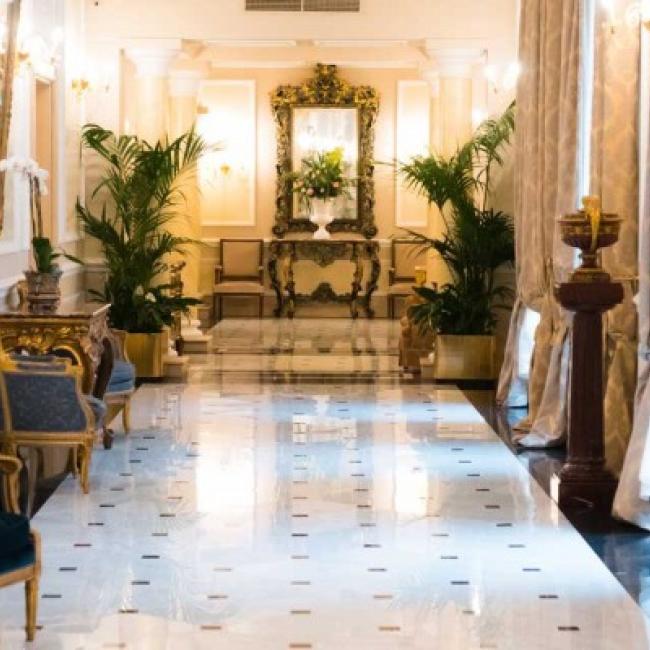
Bologna is a city with a thousand vocations. Located in the city centre, the Grand Hotel Majestic già Baglioni is the ideal base f…
DISCOVER MORE
The Grand Hotel Majestic “già Baglioni” has always been a home from home for celebrities in Bologna and is especially popular with…
DISCOVER MORE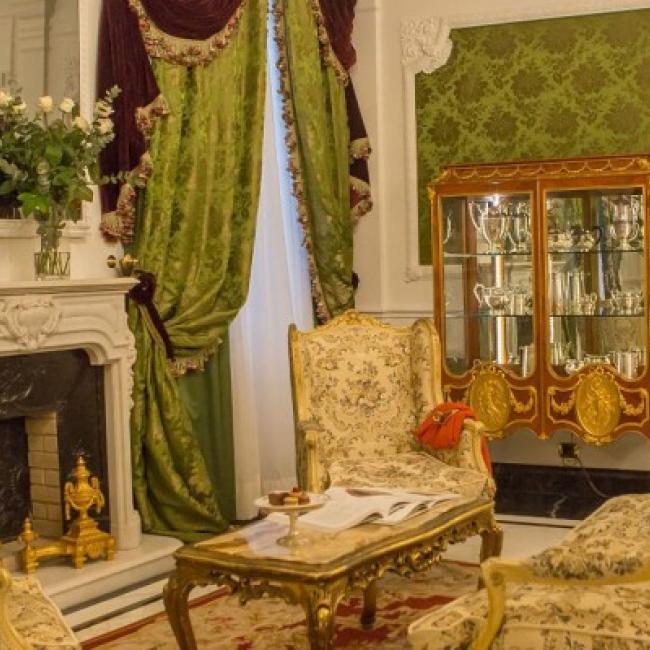
Staying in an 18th-century palace means stepping into a history book, traveling back in time with every step. This is especially t…
DISCOVER MORE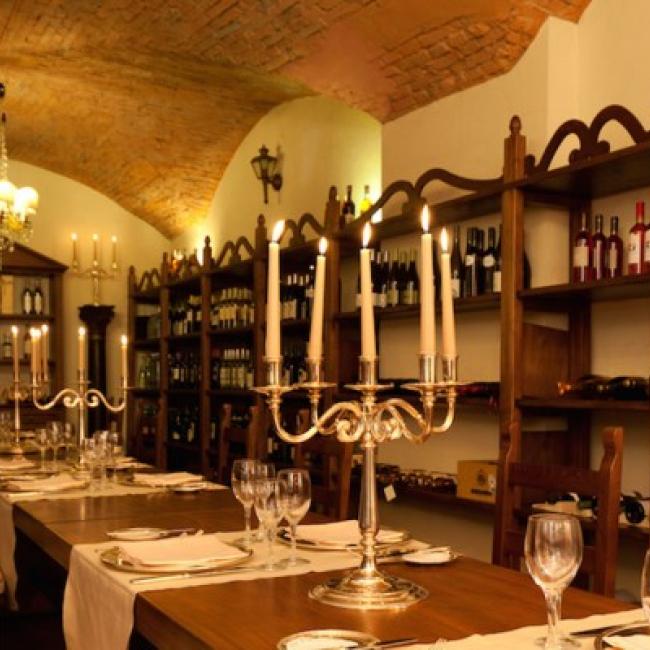
Bologna has a vivacious, extrovert, multi-faceted character, and the Grand Hotel Majestic “già Baglioni” is located right at its c…
DISCOVER MORE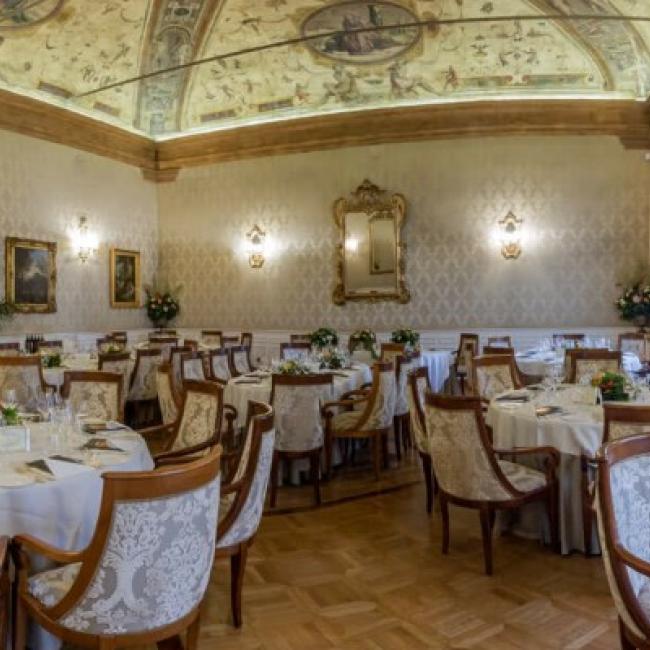
The Grand Hotel Majestic “già Baglioni” has many a tale to tell. Here objects d’art, furniture and decorations all recount Bologna…
DISCOVER MORE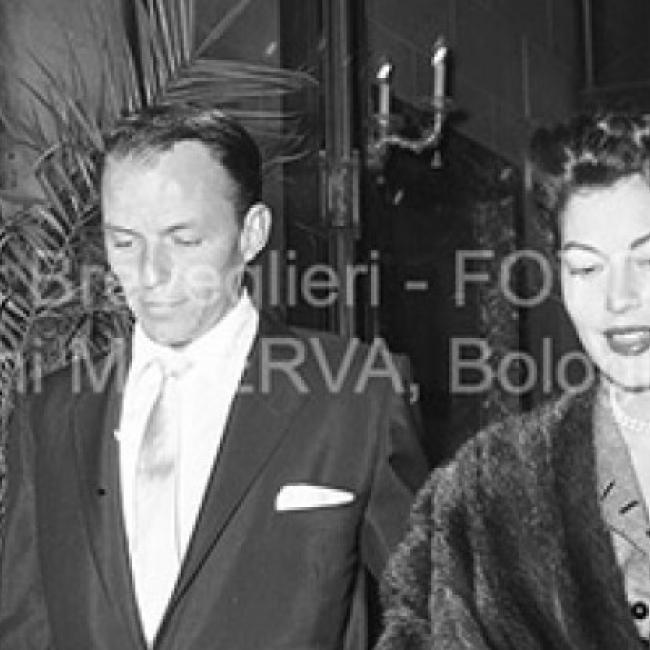
The golden age of cinema and showbusiness – the 1950s and 1960s – touched on Bologna, where the stars and celebrities of yesteryea…
DISCOVER MORE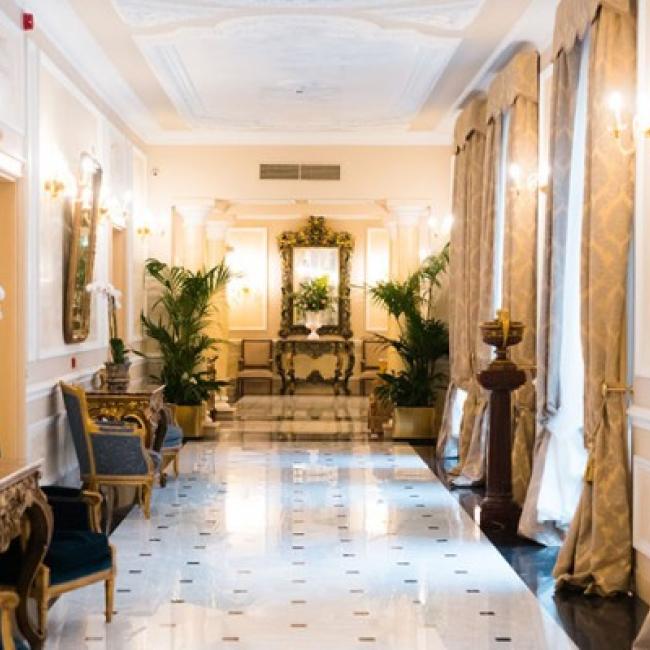
Having beauty at heart means assuming the responsibility for protecting it. For example, by taking care of the local area, on a sm…
DISCOVER MORE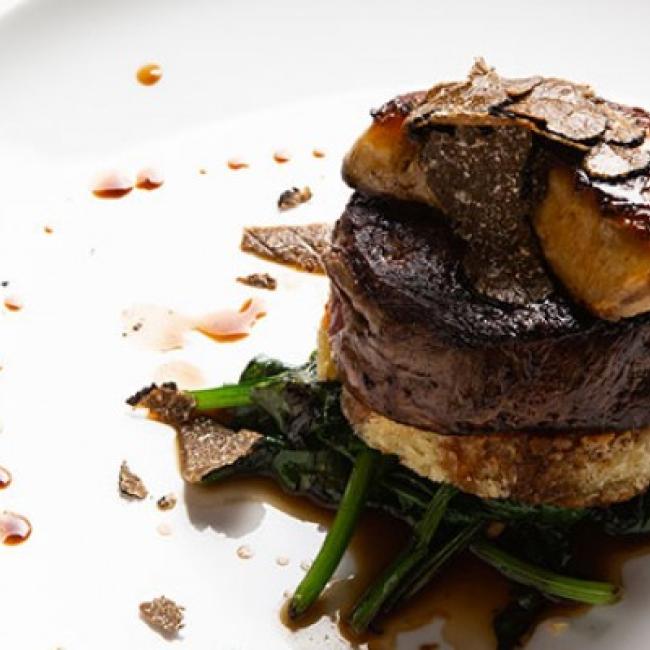
The Emilia-Romagna region boasts a unique food heritage and its capital Bologna, the “Fat One”, is a Mecca for the curious gourman…
DISCOVER MORE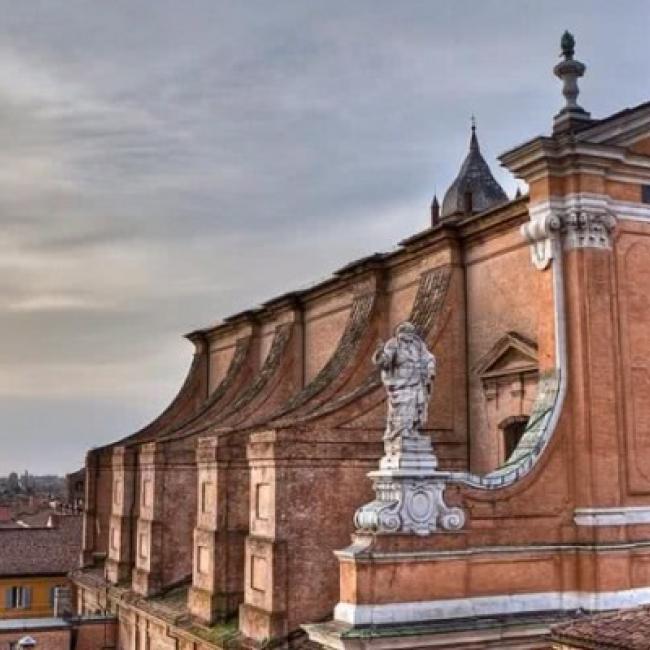
Between the Grand Hotel Majestic “già Baglioni” and Bologna there’s much more than a bond consolidated down the centuries. The hot…
DISCOVER MORE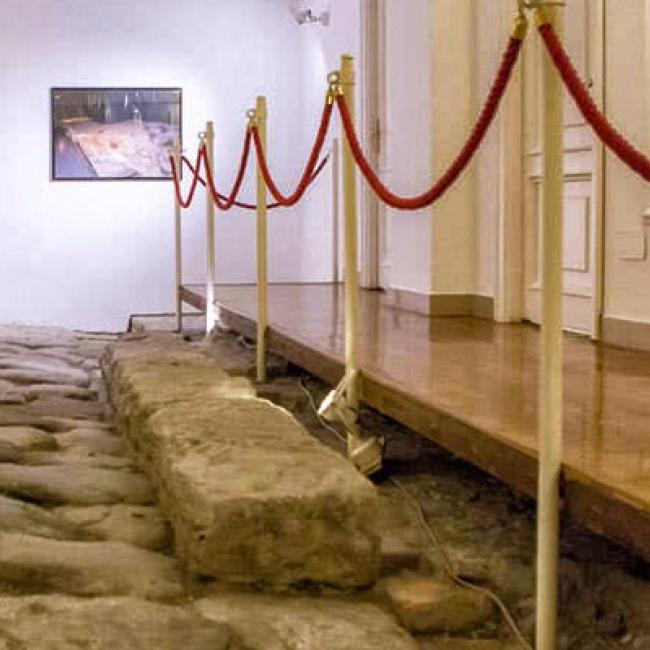
A journey back in time to Bononia, first a Roman colony and then a city. The Grand Hotel Majestic “già Baglioni” is one of the few…
DISCOVER MORE
The Grand Hotel Majestic "già Baglioni" is located only a few steps away from Piazza Maggiore, in the very heart of Bologna, the c…
DISCOVER MORE
Almost all the celebrities who spent at least one night in Bologna have been guests at the Grand Hotel Majestic "già Baglioni". If…
DISCOVER MORE
The Grand Hotel Majestic "già Baglioni" is located only a few steps away from Piazza Maggiore, in the very heart of Bologna, the c…
DISCOVER MORE
Today this blog comes to life and we virtually open the doors of the Grand Hotel Majestic "già Baglioni" in Bologna, a special pla…
DISCOVER MORE
Thinking of a hotel as the expression of a mere commercial activity, albeit in one of the noblest and most strategic branches of t…
DISCOVER MORE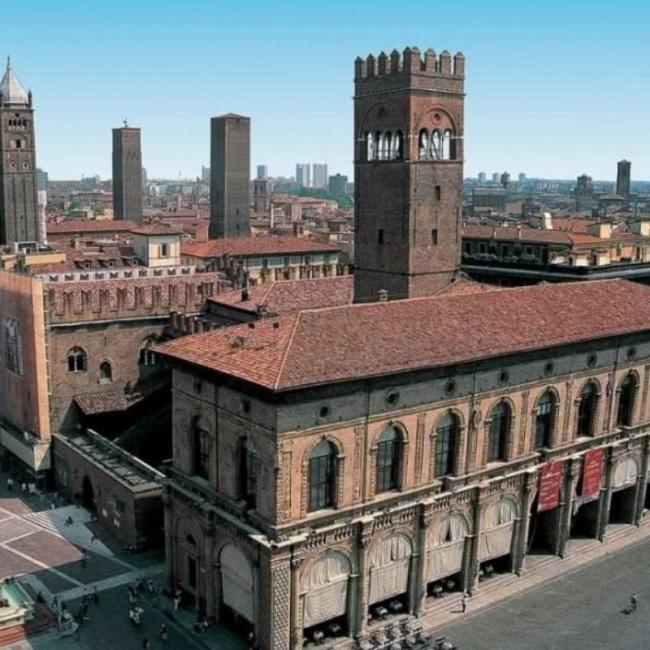
European Culture Capital in the year 2000 and UNESCO City of Music in 2006, Bologna has another claim to fame: the oldest universi…
DISCOVER MORE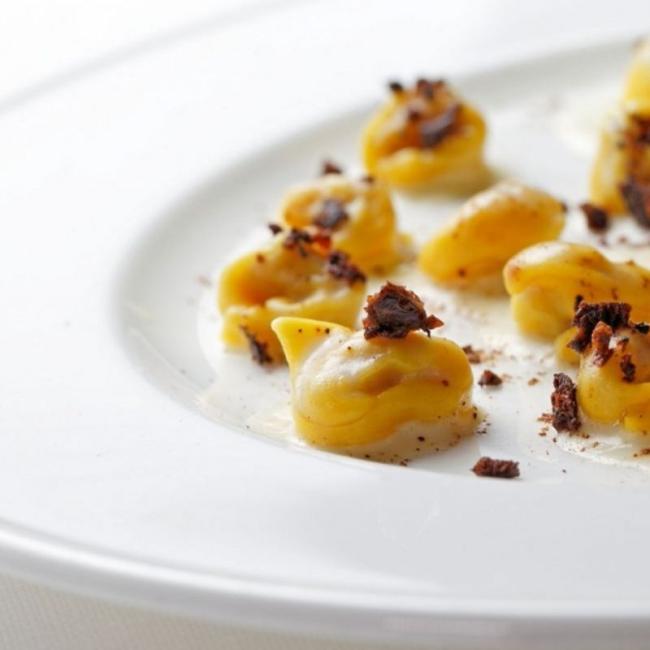
This journey around Bologna and the Emilia region’s culinary delights begins with a buffet breakfast to the tune of music at Già B…
DISCOVER MORE
When Guido Baglioni moved to the Umbilicum Urbis, Bologna experienced a period of great fervor and stood out as one of Italy's mos…
DISCOVER MORE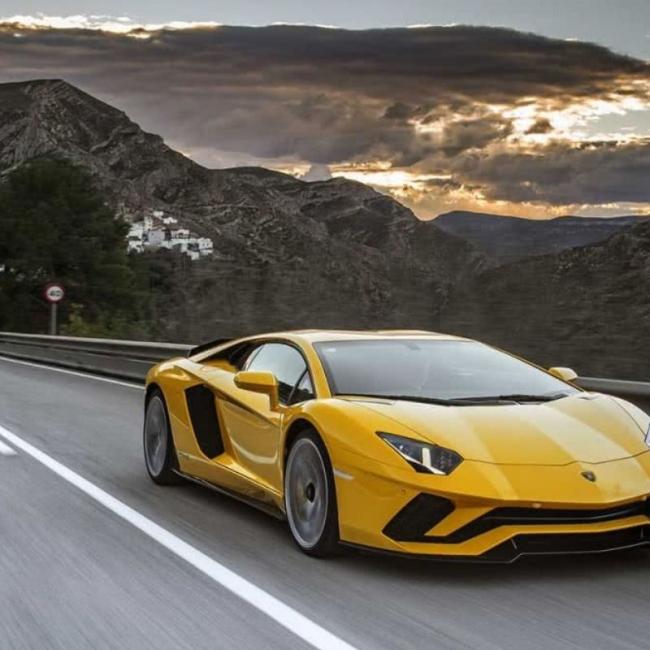
The land of motorcars par excellence offers a great many tours and activities to make your stay in Bologna unforgettable and Già B…
DISCOVER MORE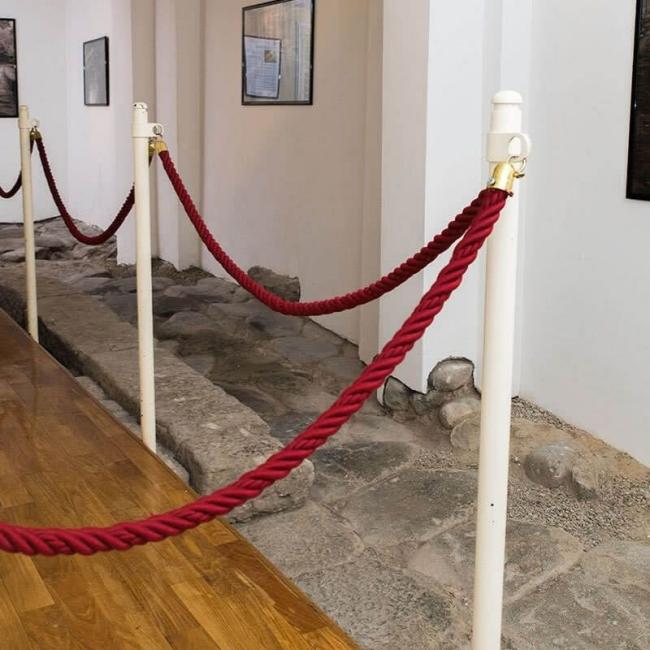
To trace the history of such a significant stretch of city as the one home to the Hotel Baglioni, we must trace the origins of the…
DISCOVER MORE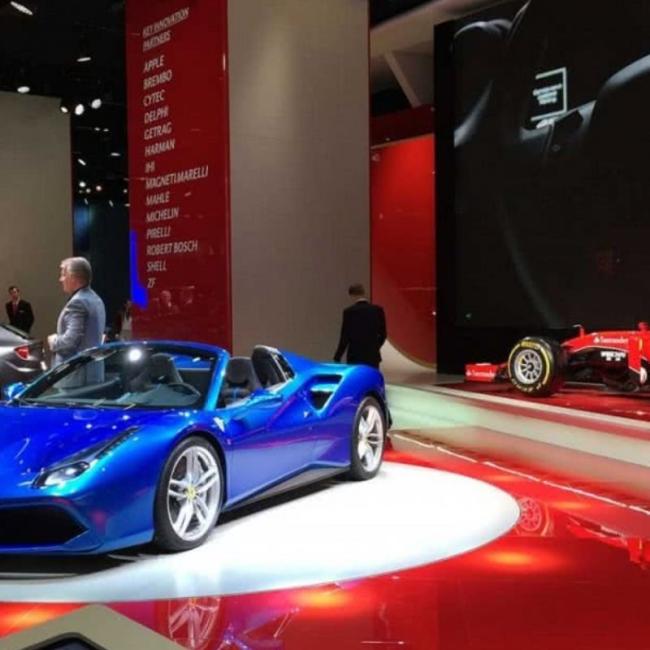
No trip to Bologna should miss out on the history and culture packed towns of the Emilia Romagna region, a journey around Italy’s…
DISCOVER MORE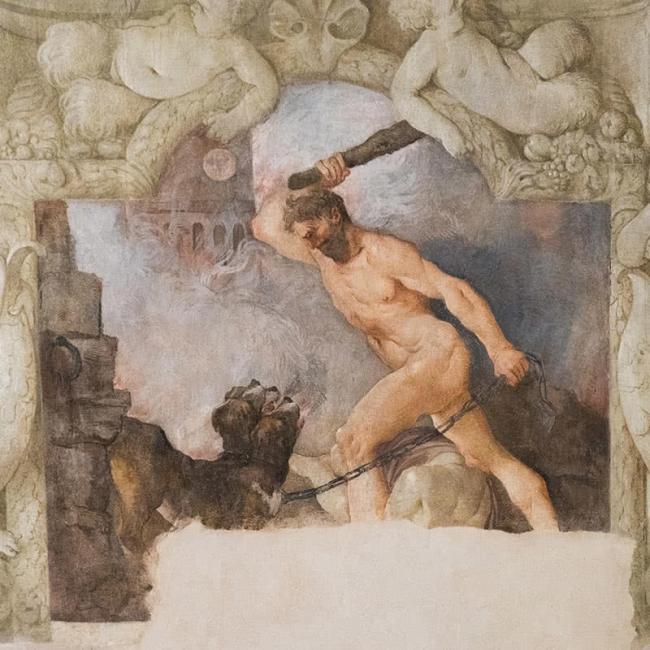
When Roman civilization, exhausted by the passage of time, gave in to the innovations that were advancing and transforming it-that…
DISCOVER MORE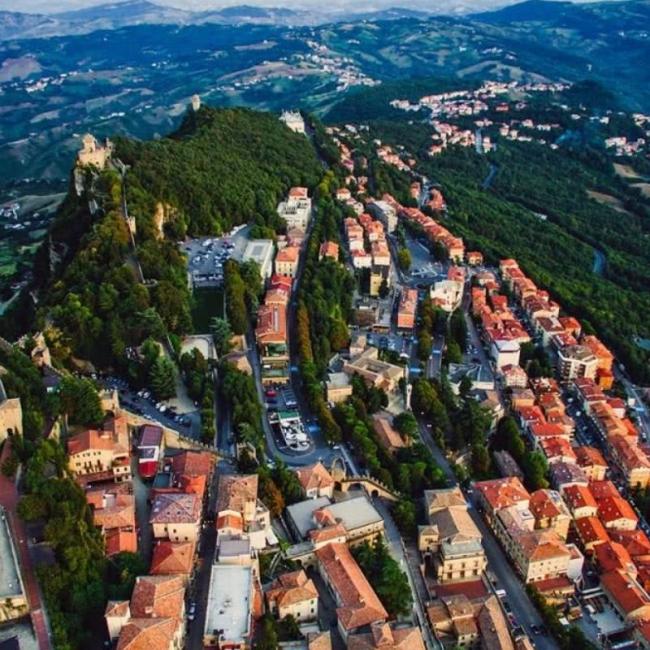
The second itinerary visits the Republic of San Marino and continues to the sea, the famous Romagna Riviera, through the folklore…
DISCOVER MORE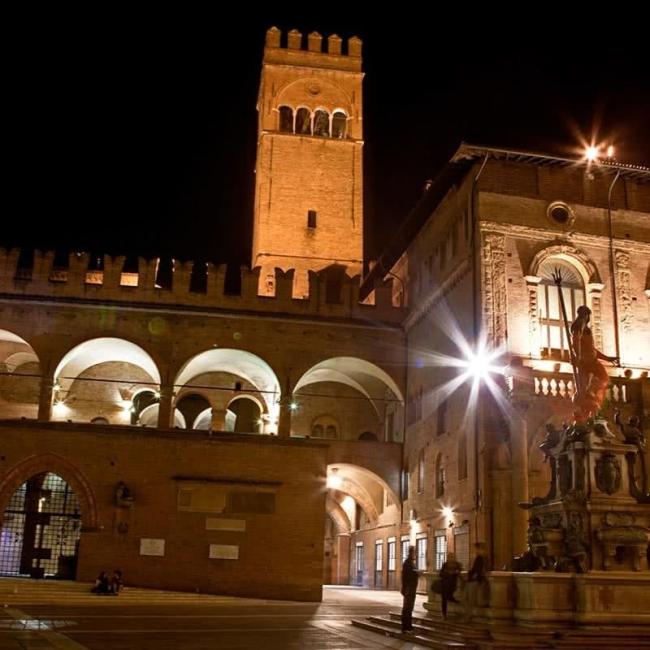
Directly opposite the block that would first become the Archbishop's Seminary and then the Hotel Baglioni, the cathedral was built…
DISCOVER MORE
The city’s most exclusive meeting places is just a few steps away from the centre - Galleria Cavour, luxury shopping centre since…
DISCOVER MORE
Here are six suggested itineraries around Bologna’s art attractions and much more besides. Experience Romagna with its traditional…
DISCOVER MORE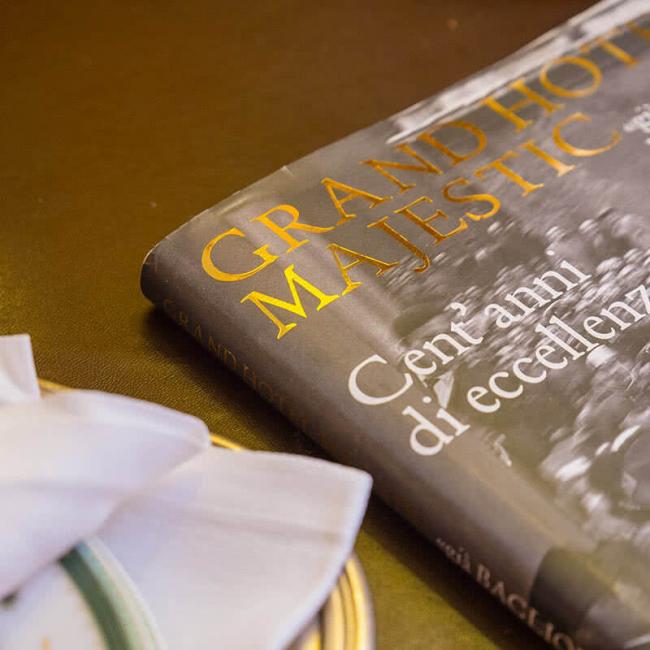
"Grand Hotel Majestic ‘già Baglioni’ – Bologna. Cent’anni di eccellenze” (Grand Hotel Majestic ‘già Baglioni’ – Bologna. One hundr…
DISCOVER MORE
In the heart of Bologna, the Grand Hotel Majestic “già Baglioni” offers centuries of Italian art, architecture and hospitality. Ev…
DISCOVER MORE